The Knights of Columbus has long championed the “Keep Christ in Christmas” message to remind the public that the “holiday season” is really about the birth of the Savior. Each year, the more than 17,000 local K of C councils promote the message with car magnets, yard signs, television ads and radio spots. This Christmas messaging has been going on for decades.
The Nativity mosaic was used on a billboard along Interstate 94 in 2009.
Back in 2010, I wanted to create a 30-second broadcast commercial with this message, but we had no production budget. I found a beautiful mosaic image from the Knights of Columbus Incarnation Dome at the Basilica of the National Shrine of the Immaculate Conception in Washington, D.C. The year before, I used that image to create a billboard we placed alongside Interstate 94 in Racine County, Wisconsin.
Many Knights of Columbus councils distribute “Keep Christ in Christmas” lawn signs.
For the TV spot, we planned to use that still image with a pan-and-zoom effect, but I still needed voice talent and music. I looked no further than my then 11-year-old daughter, Ruby. She only needed a couple of takes to nail the script voiceover. My other daughter, Samantha, then 14, took to her keyboard and recorded a section of “Greensleeves.” That is the tune used for the hymn What Child Is This?
Once I put it all together, we had a very nice broadcast commercial, quite beautiful in its simplicity. The finished spot ran hundreds of times on a wide variety of cable television networks throughout the Archdiocese of Milwaukee.
This beautiful message is needed ever the more in 2025 than it was 15 years go. A secular and increasingly anti-Christian society makes it all the more important to boldly speak the faith and proclaim the coming of the redeemer of mankind, the King of all creation: Jesus Christ.
My daughters’ simple, elegant presentation was and is a perfect complement to the reality that God so loved the world that he sent His only Son through Mary, the Ark of the New Covenant, into the world to save men from their sins.
This Divine rescue mission, envisioned from all eternity, continues today. Welcome Him into your hearts. Ask Him for the faith to truly understand the mission of the Redeemer. For more than two millennia ago, a Child was born and placed in a manger, in Bethlehem the “House of Bread.”
My business donated the cost to place this billboard along Interstate 94 in Racine County, Wis.
Jesus the Bread of Life beckons all to follow him, worship Him and be one with Him through Holy Communion: the Body, Blood, Soul and Divinity of Christ. He is really and truly present in all of the tabernacles around the world, and wherever/whenever Holy Mass is offered.
I am a third-generation Knight of Columbus. In my time as grand knight of Racine Council 697, Captain of Fourth Degree Assembly 1207, and a founder of Racine Council 15659, Christmas projects were always close to my heart. Whether delivering gifts to children whose families could not afford them to helping erect a Nativity creche on Monument Square (see photos above), they all remain precious memories.
I knelt down to pray the Rosary before the 4 p.m. Mass at St. Albert the Great Catholic Church, about 2 miles from my home. My primary Rosary intention on this windy March Saturday was for my mother-in-law Eileen, who was dying of cancer and congestive heart failure some 80 miles away.
As I finished my Rosary, I heard people begin to file in for Mass. Out of the corner of my left eye, I spotted a woman with white hair and eyeglasses, also kneeling in prayer. I’m not sure what prompted me to look her way again, but when I did, I paused my prayers. I looked back a second time and held my gaze.
At that moment, I wondered if Eileen had died, because the woman I saw praying some 50 feet from me looked exactly like her. I thought (almost aloud), “What am I seeing?” I rubbed both eyes and looked again.
I had to move to a different pew because Mass was starting. I didn’t see her again. I didn’t get a chance to look for the white-haired woman during or after Mass. I took her presence at that moment to be a sign that Eileen had either departed for Heaven or would do so shortly. She was at prayer in God’s house.
“His raiment became white and glittering.”
The Gospel reading for the second Sunday of Lent was from Chapter 9 of Luke. It describes how Jesus took Peter, James and John up the mountain, where he was transfigured before them. His “raiment became white and glittering,” the Gospel says. A cloud enveloped them and they heard the voice of God.
It was a very powerful experience for me. God’s perfect time. Some 15 hours later, at 7 p.m. on Sunday, March 16, Eileen Marie LaCanne left for Heaven. She was 85.
I was most blessed to have a chance to spend a few hours with Eileen during her last week. I had not seen her for years. After getting an update on Eileen’s condition from my daughter Samantha, I felt an urgent—almost panicked—need to visit. I wanted to see her again, and to make sure she received the sacraments of the Catholic Church.
The next morning, I brought my good friend, Father RichardHeilman, with me to visit Eileen. He asked her to hold a beautiful St. Benedict Crucifix while he gave her Last Rites, Holy Communion (in this setting called “Viaticum,” or food for the journey to eternal life). He then gave her an Apostolic Pardon.
The former Eileen Eichler at home in Racine during her high school years.
Eileen looked tenderly at Jesus on the Crucifix while Father gave her anointing and prayed over her. She trembled slightly as she held the Crucifix. When Father finished, he blessed her with Holy Water from the springs of Lourdes, France, where the Blessed Virgin Mary appeared in 1858. He gave her a Green Scapular that had been touched to the relics of 165 saints and a relic of the True Cross of Christ.
In that moment—in her own way—Eileen was transfigured. Though days of physical pain and suffering still lay ahead, she was now spiritually ready to meet Jesus, assured of the Catholic Church’s full support and prayers in her final days.
Author, author!
Eileen had the soul of an author and poet. She consumed books voraciously, reading thousands of titles across the decades. Looking at all of her books that filled the shelves in her home, I had a thought that tied my mother and my mother-in-law together. My Mom taught reading for nearly three decades. Eileen taught by example the joy of reading. How strange that this thought never occurred to me before today.
Eileen always said she wanted to write a book. Her life and family stories would make compelling reading. She had the material. Despite her self-doubts, she also had the ability.
Eileen did not write a book during her very busy life. She WAS the book.She IS the book. Her volumes of journals are filled with hundreds of powerful entries on life’s joys and heartaches. Those handwritten notes will one day make a beautiful volume—and her name will adorn a hardcover book, just as she always dreamed.
Ron and Eileen were born at the same hospital seven months apart in 1940.
An author of Eileen’s life story would come to know important things. Despite much suffering and sacrifice, Eileen so often rose above it all with a razor-like wit and a sense of humor that would compel Groucho Marx to tip his hat in admiration. I will remember so many things about this dear woman, but nothing more than her infectious laugh. She admitted it sometimes came out at inappropriate times, like when she was nervous. That was one of her charms.
January 21, 1992, was a case in point. Eileen came to visit her first grandchild at St. Luke’s Hospital in Racine. Sue and I both struggled a bit to change Stevie’s diaper. From across the room came that laugh. She could not hold it in. Eileen seemed to enjoy the scene of us floundering. My ears were steaming. Eileen came over and offered to get the diaper on properly. As soon as she unfastened the front, a stream of pee hit her right in the glasses. I felt an urge to let out at least a mild guffaw, but I stifled it like Edith Bunker.
Stevie had some other incidents at Ron and Eileen’s as a toddler. When it was hot out, he liked to walk around “diaper naked,” as he called it. He even had a little song that accompanied his state of undress: “Diaper-naked, eatin’ candy!”
One day Eileen found him peeing through the screen door leading to the back porch. We have photos of him at Granny’s house, butt naked, spraying Eileen’s car in the driveway. He was also known to chase people with the garden hose while in the buff. What a scene.
Laughter and tears were the bookends of Eileen’s life. One challenged and the other soothed. One tested and the other triumphed. Even on her deathbed, watching home movies, that laughter could not be stifled or suppressed. Almost like laughter from Heaven.
The former Eileen Marie Eichler was born on a Wednesday—February 7, 1940—in Racine, Wisconsin. She was the oldest child of Alex Eichler and the former Gertrude Proeber. She and her five siblings were spread in age across 23 years: Allen, Mike, Don, Liz, and Kevin. At age 5, Eileen sang “Our King” in the Christmas pageant at Christ Congregational church, according to an article in the Racine Journal-Times.
Eileen Eichler (at left) used the power of rhyme to win class office during her junior year.
Eileen’s humor caught the attention of the local newspaper during her junior year at William Horlick High School. She was part of a feature photo atop Page 1 on Dec. 17, 1955. The caption said Eileen “used a play on words to be elected secretary-treasurer.” Her campaign poster featured a character wearing a little cap. The headline read: “Use your beanie. Vote for ‘Enie.”
Her grandchildren would laugh many times when Eileen told them her high school classmates called her “Wiener.” It appears she crafted a version of the nickname herself: “Enie.” Maybe it was “Ener?” I digress.
On June 15, 1963, Eileen was united to Ronald Clarence LaCanne in a marriage that lasted more than 51 years until his death on Sept. 25, 2014. They were blessed with three children: Patrick Ronald, Susan Elizabeth and Christopher Charles. Mothering came naturally to her, a vocation that would literally prove lifesaving during more than 38 years caring for a special-needs child while raising a girl and another boy.
Jesus said that there is no greater love than to lay down one’s life for another. That describes the adult life of Eileen LaCanne, caring for Pat, Sue and Chris. No greater love.
Eileen Eichler and Ronald LaCanne were married at Holy Name Catholic Church, Racine.
But in a most apparent way with Patrick, who was born with a heart defect, survived oxygen deprivation with the umbilical cord wrapped around his neck, and suffered brain damage during a surgery when he was about 2 months old. He developed seizures that were severe and for the most part, beyond medical help.
Miracle treatment
Ron and Eileen took Pat to the Mayo Clinic. In January 1977, he underwent a revolutionary surgery—a hemispherectomy—that removed one lobe of his brain to put an end to the wayward signals that sparked the frequent seizures. Ron called it a “true miracle.” The procedure worked and the seizures stopped.
“He hasn’t had a seizure since,” Eileen told Robert Frahm of the Journal Times in January 1981. “To see him now you wouldn’t believe he came out with no after-effects. I expected him to be somehow an invalid, and he wasn’t at all.”
In 1977, Pat and his classmates in Room 9 at Wadewitz ElementarySchool helped create a book on dealing with seizures. The project was the brainchild of 23-year-old teacher Jan Damaschke. The book—titled “Gripping Tales”—was dedicated to Pat and classmate Keith Bretl (who died in 1992). Eileen wrote her own reflection for the book on mothering a child who suffers from seizures.
Before his life-saving surgery, Patrick had to wear a helmet when he went out to recess. He referred to himself as “Hard Head Harry.”
“It’s hard to write about my feelings as a mother of a boy plagued with seizures, because I’m afraid I may sound bitter and angry,” Eileen wrote in the 1977 “Gripping Tales” book. “I think I was for a long time. …I felt angry at everyone who had a calm life and had no idea of what we were living with and how this was affecting our whole family.”
One of the true low points, Eileen wrote, was at Halloween 1976, when she had to forego taking Chris trick-or-treating because Pat was on the couch suffering seizure after seizure. If he fell and hit his head, she explained, it could trigger a more severe wave of seizures. “It could be anywhere from 20 to 40 seizures at a time,” she wrote.
A seizure book produced by students at Wadewitz Elementary School was dedicated to Patrick and his classmate Keith Bretl. (Images courtesy of Jan Damaschke)
That following Christmas Eve, seizures left Pat “very hyperactive and unpleasant,” Eileen wrote. During one of these moods, Pat struck his father in the face and broke his glasses during the family’s annual Christmas party.
“Aside from the embarrassment this caused in a room full of relatives (most only seen once a year), the feeling of helplessness and frustration on that night about what we were going to do with Pat was almost too much to bear,” she wrote.
Words truly fail when trying to understand and describe what Eileen meant to Patrick and vice versa. It is often said that there is no love like a mother’s love. Yes, this is true. Eileen was absolute proof of that. It was emotional, exhausting and at times heartbreaking duty, but Eileen willed herself to push onward, even when things seemed darkest.
She and Pat made regular outings to area bookstores. Greenfield News & Hobby was a popular stop, not just for its figurines and memorabilia, but for early runs of pop-culture magazines they both liked to read. Our children often went along on weekend retail outings that forged a special bond with Patrick and Eileen. Pat would have been sad if he lived to see his favorite hobby shop close its doors in 2015 after 50 years.
Gallivanting with Pat also included many trips to the movie theater, often within a day or two of a new Hollywood release.The Lion King, Aladdin, Toy Story, Titanic, A Goofy Movie, Beauty and the Beast, Forrest Gump, The Iron Giant, Austin Powers, Mrs. Doubtfire and Jumanji were just some of films on Pat’s scorecard.
Patrick wearing one of his favorite shirts on an outing with “Ma,” as he lovingly called her.
Stevie accompanied Pat and Eileen to the showing ofJumanji, a pretty intense special-effects fantasy film released in 1995. I was bothered a bit that a 3-year-old sat through that film. Granny was not known for saying no.Jumanji was only rated PG for “menacing fantasy action and some mild language.”
On her deathbed last week, Eileen brought up the film again. She told everyone in the room that I was mad at her for letting Stevie see Jumanji. I was dumbfounded that she had held onto such a belief all this time. I told her I certainly wasn’t angry at her. Any reaction I had happened 30 years ago.
It was a running joke in our family that Stevie got carte blanche when he was little. I would not change a thing, Eileen.
It was not all about retail therapy when it came to outings with Pat. There were countless trips to North Beach on Lake Michigan. As a toddler, Stevie used to demand to go to “Meeshigan.” Then there was the Great Circus Parade in Milwaukee, where Pat met Ernest Borgnine. Other events included parish festivals and even celebrity appearances. Pat met actor Larry Linville (Maj. Frank Burns from M*A*S*H) at Festival Hall.
Patrick’s health travails continued. He had two near-fatal heart episodes in 1997 that led to surgery to replace his implanted defibrillator. He also had surgery on his withered foot, which had gotten weak. He ended up in a wheelchair to prevent a broken leg or ankle. Doctors used bone from his hip to fashion a sturdier foot. After recovery from the surgery, his mobility returned.
Sue and Christopher with brother Patrick at Christmas time in the mid-1970s.
Eventually Patrick again needed a wheelchair to get around. He and Eileen continued the outings as best they could. Eileen told of one day that she struggled to get Pat in the car and the wheelchair in the trunk after shopping at Mayfair Mall in Wauwatosa. It was snowy and slushy. She slipped and fell trying to lift the wheelchair into the trunk. She broke down in sobs. This was just too hard.
And yet she persevered.
Eileen made it her mission to give Patrick a happy life. And that she did. Patrick was a kindhearted, beautiful soul who delighted each of our children, Stevie, Samantha and Ruby, and delighted their cousin, Geoffrey.
Pat was a child at heart. Stevie spent many a night sitting on his bed watching World Wresting Federation (WWF) matches and admiring Pat’s museum-like display of collectibles and cartoon memorabilia.
Patrick’s figurine collection was a legend, paying tribute to the Three Stooges, Betty Boop, Bugs Bunny, Daffy Duck, Aladdin, Homer Simpson, Snow White, Mickey and Minnie Mouse, Fred and Wilma Flintstone, Donald Duck, George Jetson, Mufasa from The Lion King, Lucille Ball, and Mrs. Potts the teapot, voiced by Angela Lansbury in Beauty and the Beast. And many others.
Stevie loved to play with his Uncle Patrick’s vast collection of figurines.
The big wrestling events featured such luminaries as Andre the Giant, Ric Flair, Hulk Hogan, Bret “The Hitman” Hart, “Macho Man” Randy Savage, Ric Flair, Rowdy Roddy Piper, The Undertaker, Yokozuna, Stone Cold SteveAustin, and the great Hall of Fame announcer and former wrestler, Bobby “The Brain” Heenan.
Eileen always made sure Pat got to watch the pay-per-view matches on TV, such as WWF WrestleMania 13, held at the Rosemont Horizon on March 23, 1997. The featured match was between Sycho Sid and The Undertaker. Such luxuries pressed on the tight family budget, but these matches brought Patrick such joy it would be understandably difficult to say no.
I loved and revered Patrick from the first time we met. I invited him to my bachelor party in November 1990. A small group of us went to a Milwaukee Bucks game and then to an old-fashioned two-lane bowling alley housed in a Milwaukee tavern.
Patrick was in his glory, talking pro wrestling with the guys. He blew us all away with his bowling skills. It was no small feat for him to master a game like bowling. His right arm was partially paralyzed and curled up a bit from his disabilities. His left arm made up for it when it came to bowling.
That night, Pat took the bowling ball with his left hand and repeatedly fired it down the alley like a missile. He bowled close to a 200 game. I can still see everyone in my group giving Pat high-fives after each frame. He was truly one of the guys. I treasure my memories of that night.
In 2002, Pat’s health failed. Years before, he had a defibrillator implanted in his chest to correct dangerous heart rhythms, including tachycardia. This incredible device shocked his heart back into rhythm more than a few times over the years. The first one wore out and had to be replaced. A hole in his heart since birth led to a general weakening that grew worse in the fall.
In October, Pat was admitted to Children’s Hospital of Wisconsin, where much of his lifelong cardiac care took place. One night during a visit, I could see Pat was declining. I felt an urgency to get our parish priest, Father Joseph Stobba, to anoint Patrick and bless him for his journey back home to God. I asked Sue what she thought. She cleared it with their parents.
Patrick LaCanne in the gift shop at Swan’s Pumpkin Farm in Franksville, Wisconsin.
Father Joseph drove up in a rainstorm and arrived not even an hour after I called him. Father Joseph anointed Patrick and said prayers for the dying. We all prayed the Our Father. What peace God’s presence brought to that hospital room. Everyone was strengthened by Father’s visit and the Blessed Lord’s comfort.
Patrick died the next day, October 5. He was 38. Forever young. Since childhood, Patrick was obsessed with the number 5 and the color purple. So his death date on the 5th was a bit of Divine Providence.
Father Joseph Stobba with our daughter Ruby after her First Communion at St. Rita Catholic Church. Father helped bring Ron and Eileen LaCanne back to the Church.
The loss of a family member can be so devastating that it changes the fabric of life. Nothing feels the same. The world is missing a precious soul. Ron and Eileen felt the loss of their firstborn son more deeply than I could imagine. The bottom dropped out. A deep financial loss due to the collapse of the dot.com economy added to the weight of the crosses Ron and Eileen carried. Depression set in.
At the funeral home, Ron was understandably numb. The funeral director, who had badly botched the long obituary I wrote for the Journal Times, gave an encore in incompetence by getting Patrick’s last name wrong on the prayer cards. “Patrick McCann.” What? Who? Ron told the funeral director it was OK. I don’t know if Ron really comprehended what he saw, but he was not going to make an issue of it.
Sue and I grabbed the funeral guy and explained how not OK it really was. YOU GOT HIS NAME WRONG! YOU MUST REPRINT IT … NOW. Mr. Blunderstumble fixed the mess. He got new cards delivered during the visitation. It was no surprise to us when this funeral home later went out of business.
Ron and Eileen had to sell their house and move into an apartment. A fresh start in Burlington, Wis. The kids loved to visit. The Bridge Street complex sat on the Fox River. The area has a bunch of lakes. Their place was charming and became a new venue for family gatherings. It was a short walk to the Fourth of July parade and fireworks shot over Echo Lake.
My in-laws began coming to Mass with us at St. Rita Catholic Church in Racine. It was a long stretch from their days at the former Holy Name Catholic Church on Grand Avenue in Racine, where they were married June 15, 1963. Eileen had kept her faith alive for many years going to services with her mother Gertrude at Christ Congregational church on North Wisconsin Street. She grew up in that little brick church. Ron had fallen away from the Catholic faith.
“Help! Possible heart attack! I need help!”
Now we all were together at Sunday Mass, followed by what became a tradition: brunch at Douglas Avenue Diner in Caledonia, a mile or so north of St. Rita’s. Family bonds were strengthened during those countless meals. Religion was discussed, along with the news of the day. One of our most memorable weekends came in 2009, when Catholic filmmaker Steve Ray and his wife, Janet, joined us for Mass and brunch afterward. Steve was in town for a talk sponsored by my Knights of Columbus council.
For a time, Ron and Eileen came to live with us in Mount Pleasant after they were forced to leave their Burlington apartment. We had a full house, but it was a blessing. The kids have wonderful memories of having Granny and Gramps all to themselves each day. I would not trade a single minute of it.
They soon moved into a beautiful ranch home on St. Andrews Boulevard, near St. Mary’s Hospital. The house belonged to Ron’s maternal aunt and uncle, Jackie and Lyle Arnes. More memories were made in this new place. One Thanksgiving meal was served in the finished basement. I will never forget the sight of Ron and Eileen dancing. The kids loved it.
Ron’s health began to fail. One Fourth of July, after we all watched the incredible fireworks in Sturtevant, Wis., Ron stepped into traffic as we walked to our van. We grabbed him, as he clearly could not see the vehicle quickly approaching. That was a close call that jolted everyone’s adrenaline.
He was diagnosed with with prostate cancer. He began having attacks of tachycardia that sent his heart racing. One day while Sue, Eileen and the kids were out on errands, Ron called me. He never called me, so I knew something was wrong. The tachycardia was back.
I raced to the house and helped him get into my Honda Element. I was afraid he was going to pass out. Just as we were pulling out for the short drive to St. Mary’s, I called Sue to meet us at the emergency room. While speeding to get there, Sue was pulled over by a police officer. Eileen went into a panic, got out of the van and began pacing back and forth in the street. “You can’t do this!”
Once they explained the situation to the officer, he let them go. In fact he gave them an escort to the hospital. Moments earlier I reached the ER and ran inside, blurting out, “Help! Possible heart attack! I need help!” As medical staff got Ron out of the car into a wheelchair, Sue pulled up. Eileen raced inside with the medical team. Sue parked my car and headed inside while I took the kids home in our van.
Eileen and Sue watched the doctors use medication and a defibrillator to literally stop his heart and re-start it as a way to restore normal rhythm. It was painful. Ron cried out, “Oh God!” as they stopped his heart and shocked his chest. His heart rate was over 200 beats per minute before emergency treatment returned it to normal. These kinds of crises had become all too familiar to Eileen.
Ron and Eileen moved into senior apartments near the DeKoven Center on the south end of Racine, close to Lake Michigan. Another change of address. It was a nice complex and they made a comfortable home there. Ron’s cancer chipped away at his energy. He lost his eyesight. Eileen took good care of him, as she had for decades.
Samantha, Stevie and Ruby Hanneman with their Grandpa Ron shortly before his death.
I was living in Sun Prairie at the time, but I made trips to visit. One day Ron and I sat in recliners and listened to the Packers game on the radio. We talked about his cancer and death. We talked about our Catholic faith. Ron received visits from the chaplain at St. Mary’s Hospital. They had gotten to know this priest by walking to Mass on Sunday at the hospital. He was from Africa. They forged a special bond. During one visit, Father left Ron with a small “comfort cross” carved from wood. Ron kept it in his palm.
I knew time was growing short during one visit. Ron was so weak he could not get out of bed to take a shower. So I carried him from the bed and got him onto a medical chair in the shower. The warm water soothed the pain and exhaustion in a body that was shutting down. As we got him toweled off, Ron apologized. He never wanted his son-in-law to have to carry him. I told him to put that thought out of his mind. I was honored and blessed to be there for him.
Later that evening we set up a CD player in his room and listened to some faith talks by the late Archbishop Fulton J. Sheen. Sheen taught me the Catholic faith. His eloquence was matched only by his dramatic presentation and ability to make the sacred mysteries understandable for everyone.
A good man gone too soon
Just a few days later I got a call around 3 p.m. that Ron had died. My heart sank. But I had hope, because Ron had embraced his faith late in life. The Africa-born priest became a best friend. Father made sure Ron had the sacraments of the Church. He died in a state of Grace on Sept. 25, 2014. He was 74.
I could only imagine the pain Eileen felt after the service at Draeger-Langendorf Funeral Home, as a military honor ceremony took place just outside the entry. The rifle salute was jarring, with each volley followed by the ting-ting-ting sound of the brass shell casings bouncing on the pavement.
The years after that became a blur to me. I saw Eileen at events like graduations, as well as an occasional Christmas Eve. We emailed and communicated on Facebook. But it was never the same again. I buried myself in a return to journalism during Covid and afterward, investigating the untold stories of Jan. 6 at the U.S. Capitol. I got updates from my children about family events. I treasured receiving photos of them with their Mom and Granny Eileen.
Sue, Eileen, Ruby and Samantha share some Christmas cheer.
The real shock came when I was told of Eileen’s cancer diagnosis in 2024, and again in March 2025 as her life was slipping away. She had decided she would not put herself through the regimens of harsh chemotherapy, or endure all of the awful side effects.
I returned for a second visit on Friday, March 14, 2025. As I left the previous Monday, I told Eileen I would visit again. She grabbed my arm and said in a serious tone, “Don’t just promise you will come. Please make sure you do come back.” So I made her a promise to return and bring home movies for us to watch.
“I want you to know how much you mean to me.”
She had been in and out of consciousness all week. I did not know what to expect when I arrived around 6 p.m. Eileen’s high school boyfriend, Jack Christensen, answered the door. They had rekindled their relationship after Ron died. “I thought you were coming at 5 or I wouldn’t have locked the door,” he said. I apologized for my tardy arrival.
After working through some confusion, Eileen recognized me and recalled my visit with Fr. Heilman. I sat down and flipped open my MacBook Pro laptop computer. Jack propped Eileen up in her hospital bed and she watched some 14 minutes of video memories. I wanted to make a longer video but ran out of time. She watched and even laughed a few times.
A still image from the home movies I showed to Eileen 48 hours before her death.
I sat next to the bed and held her hand. We talked about the “good old days.” She remembered it all. Reminiscing can be such a balm for the soul, even when cancer wracks the body with pain.
Our conversation grew serious. “I want to die. I want to die,” she told me.
“No, you’re not ready yet. You are going to outlive me,” Jack told her.
I said when Jesus calls, she should feel free to go ahead and answer. Wanting to go home to God is normal. She lived a good life, suffered much and walked her final steps with her loving family.
After several hours, I was preparing to depart for my two-hour drive home. Eileen squeezed my hand, looked right at me and said, “I want you to know how much you mean to me.” I was overwhelmed with gratitude. I got a lump in my throat. It took a few seconds to regain my composure.
Those are among the most important and meaningful 11 words I ever heard. That was Eileen’s final gift to me.
When I had gathered my things, I leaned over and kissed her on the forehead, just as I had done to my mother on her deathbed Dec. 26, 2018. “I love you, Granny. You have meant the world to me. The children absolutely adore their Granny. … I’m so glad I got to tell you that.”
Forty-eight hours later, Eileen Marie LaCanne drew her last breath.
Sue and two of our three children were with her. Although she had been in pain and restless, at around 7 p.m. she slipped away. Lifted up by angels to meet Jesus and be reunited with Ron, Patrick, her parents and many others who went home before her.
I had already been working on a slideshow to honor Eileen when my daughters called to tell me she had died. [Watch the tribute videoon my JComm website.]
I sat down and began to write this tribute. I did not get far before I was overwhelmed by grief. The sobs came in waves. My little dog Mickey watched me with concern. I regained my composure and reached for the Kleenex box. For a moment, I felt I was watching myself carrying on and wondering, “What is wrong with you? What just happened?”
I came to realize many things reflecting on the 35 years since I first met Eileen. She might have thought I was nuts during my engagement to Sue. One Sunday in 1990 I came over for dinner. Sue was not home from her Army National Guard duty. With war brewing in the Middle East, I was worried her unit would be sent overseas before our December wedding.
The LaCanne family portrait taken in the late 1990s. Ron, Eileen and Pat have since died.
So to burn off my nervous energy, I grabbed the upright vacuum cleaner and zoomed around the expansive carpeted floors of their ranch home. Kitchen, dining room, living room, hallways. Back and forth, back and forth. If I recall, Eileen’s mother commented to her after the vacuum incident that I was “rather peculiar.” Indeed.
I told Eileen many times during those years that she was my second mother. Today I realize that it was even more than that. She was a treasured friend. That’s why we had such fun discussions around the Sunday dinner table. She was easy to talk to and funny—much like someone else in the family that I came to know.
On a Sunday evening in March, I lost my second mother and a dear friend. This kind of person comes along once in life—if one is very fortunate. That’s why Eileen’s death hit me so hard. I’m sure it was much worse for Sue and our children. It’s hard to calculate the depths of this loss.
I left nothing unsaid. I told Eileen I loved her. I thanked her for being a great mother to Pat, Sue and Chris, a very close “Granny” to five grandchildren and a great-grandmother to our two new granddaughters, Gwen and Sabrina.
Eileen’s voice has been stilled.
But just like with Patrick, I can still hear her laughter—all the way from Heaven. •
—Watch the tribute video shown at Eileen’s March 29, 2025, visitation.
A group of sparrows perched on the edge of the bird feeder outside Lloyd Miller’s window, pecking at the seeds like there was no tomorrow.
Oblivious to the man watching them from just feet away, the birds went about their business, then flew away. They are a living reminder of just how much Miller’s life has changed in the past four years.
This story was part of an award-winning 12-page special section published in The Journal Times on Dec. 1, 1991. The project won awards from the Wisconsin Newspaper Association, the American Cancer Society and the American College of Radiology.
For much of his life, the 71-year-old Miller never had time for little hobbies like bird watching. From his early days as a cavalry instructor in the U.S. Army to his career as a salesman and Racine’s city development director, Miller was a busy man.
Then came cancer.
“I never had a bird feeder before. Now, I’m feeding the birds at $10 a week,” Miller says with a chuckle. “I’ll have to win the lottery.”
Aside from the pinkish patch of scar tissue on his head and his lack of hair, you would never know this man tangled with a rare, life-threatening cancer.
He has a firm handshake, a hearty belly laugh and a warmth that twinkles from beneath his spectacles.
Life has changed
The bird feeder is one of the little ways Miller is a different man now. He isn’t bothered by the little things anymore. He’s more tolerant. He finds it a lot easier to tell his wife and friends that he loves them.
And although life has brought him persistent heart problems and a cancer that came back four times, Miller considers himself lucky.
Lloyd Miller never used to have time for hobbies. Now he’s a regular bird-feeder. — Journal Times photo by Mark Hertzberg
“I do not consider myself dying of cancer,” he says, softly tracing an invisible pattern on the kitchen table with his index finger, “but living despite it. I do not look at each day as a day closer to death, but another day to be appreciated and enjoyed.”
Lloyd Miller is a cancer survivor.
He is one of the 50 percent of cancer patients who live through the terrifying diagnosis, the fear, the uncertainty, the sickening treatments and the real risk of death. He is part of a growing group with a determination to live life fully, with a new appreciation for what was almost lost.
Miller’s rare form of cancer is in remission, four years after it was discovered. And although there still is a risk the cancer could come back and attack his lungs, he doesn’t let it worry him.
“I feel so comfortable, it’s almost a sin. I don’t think about it every day.”
But for much of the past few years, Miller had little choice but to think about cancer.
The first inkling of trouble came in 1987 while he was on a cruise with Sue, his wife of 16 years. A sunburn-like patch of blisters appeared on the left side of his scalp. It didn’t concern him, until his eye began to swell so badly he had to soak it to get it to open. Upon returning to Racine from Miami, Miller went to see his doctor in Kenosha. The doctor took a biopsy, then delivered the kind of heart-stopping news everyone fears.
Lloyd Miller’s story as it appeared in the Journal Times on Dec. 1, 1991.
“I knew I was in trouble. I expected bad news. It was bad news. Believe it or not, I was afraid,” he said. “The word ‘cancer’ just sent chills through me.”
The doctor referred Miller to the University of Wisconsin Comprehensive Cancer Center in Madison, one of the nation’s major cancer centers, with a medical staff of 350.
Doctors took 60 biopsies from Miller’s scalp in an effort to find what kind of cancer had taken hold.
Rare cancer diagnosed
The diagnosis was angiosarcoma, a rare cancer of the blood vessels that spreads to the connective tissues. Miller had extensive tumors throughout the left side of his scalp.
Doctors started Miller on a regimen of radiation treatments using a high-tech system in which treatments are planned using 3-D computers that help aim the radiation most effectively at the cancer. He traveled to the UW daily for treatments — journeys that would eventually total 33,000 miles.
The hospital staff drew targets with ink on his now-bald head. They took measurements and calibrated the 6-million-volt radiation machine.
The treatments were terrifying for Miller. Much of his head was covered in a lead mask that shielded healthy tissue. For a man with severe claustrophobia, the enclosure was pure hell.
“I would have killed them if I could have gotten loose,” he said. “When I got out of there, I said, ‘Never again, not me. I’ll die.’ ”
For his next trip, doctors gave Miller what he called “goofy pills” that helped him relax so much before treatment that by the time he arrived in Madison, he didn’t care what happened.
Treatments burn the scalp
The 30 treatments burned Miller’s scalp, causing an unsightly, migrating sore that covered a quarter of his scalp before it started to recede. But the therapy worked and the tumors died off.
Miller said death crossed his mind during those first days in treatment.
But his main physician, Dr. Timothy Kinsella, deputy director of the cancer center, told Miller to let him worry about the cancer.
“I’ll tell you when to worry,” Kinsella said. Those six words put Miller at ease. Kinsella never told Miller to worry.
“He was the Good Hands doctor,” Miller said, cupping his hands like they do on the Allstate insurance commercials. “He made me understand I was going to be all right.”
Despite the daily doses of radiation, Miller kept up his work schedule.
Staying on the job was important because, as Miller put it, “If a guy lies down in bed, I think he’s a goner.”
Shortly after the first round of radiation, doctors discovered nodes on the right side of Miller’s head. The cancer was back, which meant 30 more visits to the linear accelerator.
Eventually, the cancer spread to both sides of Millers’ neck and on the center of his head. Each time it appeared, Kinsella beat it back with radiation.
Miller became quite a regular on the first-floor clinic at the cancer center. He made the coffee in the waiting room, and brought Racine kringle for the staff. When he wasn’t in treatment, he spent time in the pediatric cancer ward.
One day, Miller was charged with cheering up a young boy who was quite sick from his cancer treatments. Miller pulled out a toy ball that laughed with the resonance of Ed McMahon when it was tossed into the air. “That was my secret weapon,” Miller said. “He liked it so much I gave it to him.”
They still remember Lloyd Miller at UW Cancer Center.
Help and prayers
And so Miller has beaten the odds, it would seem. It’s only now that one of his local doctors told him that after the initial cancer diagnosis, he wasn’t sure Miller would survive.
Now he spends time as a freelance real estate development consultant and likes to play golf at the Kenosha country club. Miller says he got through his ordeal with cancer with a lot of help from scores of friends and a lot of prayer.
“I think I’m a better man now than I ever was,” he said. “I’ve come so close to the unknown.”
His health has not been without complications since the cancer therapy stopped. He recently underwent his 11th balloon angioplasty, a procedure in which a tiny balloon is inflated in the arteries to clear blockages.
Miller’s story caught the attention of the American Cancer Society, which profiled him in an hourlong documentary on cancer survivors in 1990. The program also featured a 23-year-old student who lost his leg to cancer, then ran across country to raise money for cancer research.
Tears well up in Miller’s eyes when he watches the tape, as he watches his wife describe him as “our hero, Lloyd,” and as he watches himself talk about cancer.
“An experience like this lets you know what life’s all about,” he said. •
EPILOGUE:Lloyd G. Miller died on March 6, 2004 at his retirement home in Orlando, Fla. He was 83.
It was Christmas 1986, and little Sarah Mazzie was making out her wish list for Santa Claus. At the top of the list wasn’t a Barbie doll, a Cabbage Patch Kid or a doll house.
At the top of Sarah’s list was written: “good health.”
“That amazed me, a child that age asking for good health,” said Sarah’s mother, Mary. “It was in that little scrawl handwriting, ‘Good health.’ ”
The 6-year-old Racine girl had her priorities straight. In the 20 months since she was diagnosed with acute lymphocytic leukemia, Sarah learned what it was like to be sick, to endure painful treatments and lose her hair. “Good health” has been on her Christmas list ever since.
This story was part of an award-winning 12-page special section published in The Journal Times on Dec. 1, 1991. The project won awards from the Wisconsin Newspaper Association, the American Cancer Society and the American College of Radiology.
Bruce Camitta doesn’t look much like Santa Claus. He doesn’t have the Santa-like spare tire, and his thinning crop of hair doesn’t resemble St. Nick’s white mane.
But for Sarah, Camitta might as well have been Santa Claus.
The professor of pediatrics at the Medical College of Wisconsin in Wauwatosa had developed an experimental leukemia treatment that would save Sarah’s life.
Preventing recurrence
Camitta’s treatment used high doses of chemotherapy, followed by an extended period of lower doses, administered after patients had gone into remission. Patients often respond well to initial treatment, but Camitta’s goal was to prevent recurrence of the cancer.
Sarah was his 27th patient in the trial at Children’s Hospital of Wisconsin in suburban Milwaukee, and one of the 80-plus percent for whom the treatment has worked. She has been cancer-free ever since.
“He says I’m a pioneer girl,” said Sarah, now a pretty 11-year-old sixth-grader at Mitchell Middle School. She’s proud that she helped break medical ground and beat the cancer that could have stolen her young life.
“I don’t think about it,” she said of the leukemia. “It’s not hard, I’m just lucky they had medicine.”
Wearing a red shirt, black jeans and deck shoes, Sarah sits in a director’s chair at her family’s home on Newman Road in Mount Pleasant. Her long, black hair, dark eyes and striking smile tell no tale of cancer.
Sarah’s story as it appeared in the newspaper on Dec. 1, 1991.
She twists her hair with her fingers, fidgets in the chair and toys with the family cat. This isn’t Sarah Mazzie cancer survivor, it’s Sarah, regular 11-year-old.
“I like playing sports,” she said. “I play baseball, soccer and I go horseback riding.” She also likes tennis and swimming.
Those words seem music to the ears of Gary and Mary Mazzie, who just seven years ago faced what all parents dread — the loss of a child to a deadly disease like cancer.
In January 1985, Sarah’s parents first noticed changes in their daughter, including a persistent low-grade fever, and pains in her arms and legs. Doctors at first thought it was a virus.
“She canceled her own birthday party because she didn’t feel well,” Mary said. “I knew something was wrong.”
Things didn’t reach crisis level until the family was on vacation in South Carolina that spring. Sarah was listless, and all she did at the beach was lie on blanket. She couldn’t even walk.
‘The bottom falls out’
The Mazzies rushed back to Racine and, after Sarah had a blood test, were told to get her to Children’s Hospital. They were told to go to the oncology department.
“At that point,” Mary said, “the bottom falls out.”
Mary remembers the day the doctor called to confirm the diagnosis of leukemia. She walked out into the back yard and screamed. After walking around a bit, she called her husband at work.
“She couldn’t even talk,” Gary recalled.
Sarah once cancelled her own birthday party because she felt ill. Her parents knew something was wrong.
Inside Sarah’s body, the cancer was causing white blood cells called lymphocytes to grow erratically. Billions of faulty cells were crowding out normal white cells in her bone marrow.
“The doctors tried to tell us there was much hope with this type of cancer,” Mary said. ‘At that point, it’s very difficult to believe that.”
Gary said there was “some doubt in my mind” about trying an experimental treatment, but the couple decided to put Sarah in the trial group being gathered by Dr. Camitta.
Sarah would he treated with standard chemotherapy until the disease was in remission, then undergo six months of intensive chemotherapy and two years of oral anti-leukemia drugs.
Intensive treatment
Camitta said the goal is to keep drug levels high over long periods to reduce the number of leukemic cells in the system. Treating a child who is in remission with intensive chemotherapy was considered a somewhat “rogue” idea in the medical community at the time, he said.
Mary stayed in the hospital with Sarah each night, and Gary visited after work. Sarah was hospitalized for 21 days, and after about two weeks of chemotherapy, her cancer was in remission.
Sarah then came back to the hospital every two weeks for an infusion of methotrexate and 6-mercaptopurine, the drug combination Camitta had chosen for the experiment. Every other week, she went to the clinic for a checkup.
Doctors periodically had to insert a needle into Sarah’s spine to check for leukemic cells, and to inject chemotherapy into the spinal fluid. They also took marrow samples from her pelvis by inserting a sharp lance into the bone.
Sarah said the bone marrow biopsies were scary.
“When they were taking the blood (marrow), it hurt in my leg,” she said.
Sarah would lie on the examining table, hugging her favorite stuffed dog, Amos. She imagined that she was somewhere else, somewhere with no pain, doing something fun.
“One time I thought about the Fourth of July parade. Another time I thought about being at the beach,” she said.
Making something positive
Camitta said he was impressed that such a young child could remain so calm during treatments and tests. “She was super,” he said.
The treatments during those first six months made Sarah sick. The drugs dropped her count of infection-fighting white blood cells. She got headaches, and mouth sores. And her hair fell out.
To help make something positive out of a bad situation, Sarah took the hair that had fallen out off of her pillow each morning, and strung it out on the bushes outside. She wanted the birds to use it to build their springtime nests.
Although she was “kind of scared” about her hair falling out, Sarah adjusted. Most of her friends knew why she was losing her hair.
“When I was in kindergarten, someone thought I was a boy,” she said. “I knew it was going to grow back. I wore a lot of hats.”
Sarah’s parent said she handled the treatments well. She didn’t cry, or fight with the doctors. Her only response was to become silent and withdrawn on the way to the hospital. Occasionally she shed a few quiet tears.
Drug treatments continue
Once the first six months of drug treatments stopped, Sarah went home from the hospital. She began taking pills every day, and her mother gave her a shot every Wednesday.
Getting the pills down took some creativity on the part of her parents. The pills were mashed in food, coated with sugar and even mixed with syrup and shot down her throat with a syringe.
“They were just giving me so many medicines, and they all tasted bad,” Sarah said. “There was one l wouldn’t take. They put it in my food, tried to trick me. But I’d always find it.”
The Mazzies religiously followed doctors’ orders in giving Sarah the medicine. The pills continued until Oct. 2, 1987.
Ordeal is over
Then it was over. Or was it? Mary kept quizzing doctors to see if any other children in the trial had a relapse of cancer. They told her not to worry.
Of the 73 children who underwent the treatment in the first two trials, more than 80 percent have remained cancer-free over long periods, Camitta said.
“That’s as good as anything else available, and we’re only using two drugs,” said Camitta, who has a giant teddy bear perched on a file cabinet outside his office. But many more children will have to be tested on the trial nationally to confirm the results, he said.
Camitta won three ardent believers on Newman Road in Mount Pleasant.
Gary said the family is stronger for the ordeal, and he realizes just how fragile life is. Whenever he has a bad day at work, he just looks at a picture of Sarah from back then, and is reminded of what is most important to him.
As for Sarah, she’s gotten on with her life, and will turn 12 in February. Asked if she has any advice for other children with cancer, she doesn’t hesitate in her response.
“I’d tell them you’d probably get better. If they cured me, they should probably be able to cure kids now.”
EPILOGUE:Sarah B. Mazzie graduated from the University of Wisconsin in 2002 and earned her Juris Doctor degree from the DePaul University College of Law in 2006. She was a partner in her own law firm and has worked for Immigration and Customs Enforcement in the U.S. Department of Homeland Security. Now 40, she is a U.S. immigration judge in Minneapolis. Her parents Iive in Racine.
Top photo: Sarah Mazzie in her classroom at Mitchell Middle School in Racine. — Journal Times Photo by Mark Hertzberg.
Death is a mighty test of faith, just as much so when the beloved is of the four-paw variety as with one of our departed human family members. I learned this painful lesson anew when saying goodbye to my best little canine buddy, Mr. Puggles.
He came into our lives on October 15, 2004, fresh off of a plane ride from Colorado. He jumped from the laundry basket in the back seat of my car and nipped the noses of our three children. He was a little wild man. We knew right then that our Mr. Puggles would be a larger-than-life part of our family. I’ll never forget that first day home, when the little sprout climbed up on my head as I lay on the floor and pasted my face with wet kisses.
From the start, Mr. Puggles put himself in charge.
We learned quickly that he needed limits set, as he bolted across the street in our suburban neighborhood and led us on a merry chase. He was fast and would not be captured until he was good and ready. The kids were able to teach him a few things, but Mr. Puggles was usually going to do things his way. We just needed to figure that out.
As a growing puppy, he loved to ride in the car. This was before he learned about trips to the vet’s office. The kids would sometimes tease him, “You want to go for a ride in your very own car?” Yeah-yeah-yeah oh-boy-do-I-ever!!” So we usually piled into the car or the minivan and took him for a ride “in his very own car.”
Mr. Puggles could be naughty. He even had a “naughty face” that often gave a clue that chances were high for mischief. He once chewed a hole in our denim couch and proceeded to pull out much of the white bunting in the cushions. This exercise came to be known as “puff clouds” and, my oh my, did Mr. Puggles like puff clouds. He needed good exercise, but he barked so incessantly at everyone in the neighborhood, we had to do our walks after dark. He still barked.
The famous Mr. Puggles “Naughty Face.”
His personality changed a bit in October 2006 when we adopted Madison, a fawn Pug who was rescued from one of those hoarder hell homes we all read about now and then. Madison was a street tough; used to having to fight for food. She attacked him a few times, and the sounds created nearly caused some of us cardiac arrest. Eventually they found common ground, as long as Mr. Puggles gave up his toys on demand. They ate in separate rooms under supervision. In time they both mellowed and became best buddies.
Mr. Puggles was not one to be bothered with niceties such as going to the bathroom outside. He started by jumping from the bed at night and going into the closet to relieve himself on the carpeting. Frequent trips outside were the only solution. Over the years, the carpeting in most rooms was replaced with hardwood flooring. Much easier to clean! We had to keep him away from the bottom of the Christmas tree, since he would drink the water and then have to pee more. I recall one time outside when I was talking to my daughters and Mr. Puggles was standing nearby. A minute later I looked down and he was peeing on my shoes and pant leg. At least he didn’t tell me it was raining.
Mr. Puggles was a pretty good sport. Samantha and Ruby sometimes tried to dress him up for Halloween, but any costumes were short lived. Stevie dressed him up as a character from the television show Futurama, with a cape and boots. Less than 5 minutes into the Halloween celebration and the boots were history and the cape was wound around his neck. Mr. Puggles and Madison were kid-friendly dogs who liked to sit in laps, or better yet, fed a stream of doggie treats.
Wearing his parka one cold winter.
Perhaps Mr. Puggles’ most valued role was that of comforter. Through many very difficult times, he was my God-given solace. There’s nothing quite like curling up in bed and having one Pug nestled just behind my legs and the other with her rear right against my neck. I wasn’t going anywhere without them knowing it. He was generous in affection, quick to forgive a harsh word, and always there with a wagging curly tail when I returned from a business trip.
The first signs that he was aging came when I lived in Georgia in 2012 and 2013. We’d be out for a walk and he would start dropping poops out like a Pez dispenser while he walked. It took me quite a while to figure out this was not intentional. Some of that nerve control was weakening. I noted it with concern, but quickly convinced myself that he would not have to worry about aging.
Mr. Puggles and Madison came with me on quite a few changes of address. They were good sports and didn’t complain about the uncertainty. During some very difficult times, we lived in hotel rooms and even spent a few crazy weeks camped in our car. None of it fazed them. If we were fed and stayed warm, it was all good. Dogs are such selfless companions. I thank God for that.
Oh, what a face!
Even as Mr. Puggles’ rear legs began to fail, we still found ways to enjoy the outdoors. I bought a hip harness from a web store that caters to disabled pets. It gave his Pug caboose just enough help to still be able to roam about the yard, marking every tree and barking at falling acorns and the occasional brave squirrel. I felt slight pangs of dread as his face turned from jet black to salt and pepper. I would not want to face losing him, so I pushed those thoughts aside.
He had terrible health scares over the past year and a half. In March 2018, he stopped being able to pee and I had to rush him to Madison Veterinary Specialists. They did surgery on his bladder, which was almost completely full of what they described as “sand.” Eventually I learned those were “struvite stones,” which often form as the result of an infection. Since he wasn’t as able to fully empty, his risk of infection rose. The surgery was successful. To keep him from dribbling, I put a belly band with a bladder pad in it around his lower mid-section. He didn’t mind at all.
Over the past year, he and his new little sister Mickey had to get used to me coming and going a lot. Evenings it was off to spend a few hours watching television and visiting with Mom, who was in her final months with us. Back home after 10 and it was a late dinner, and sometimes, rawhide treats while camped out on the bed. It’s an incredible comfort having canine companions who hang on my every word like it’s REALLY interesting; who cuddle up close when I’m sick and act like I’m the best each time I come home.
The past two months were a drain. Bladder infections and upper respiratory troubles had us back and forth into the emergency hospital. This caused Mr. Puggles’ back legs to weaken a bit more. But I’d pick him up, go outside and hook up those hip holsters and he still did OK. (Later on I sat and watched security camera footage of me carrying him back and forth across many weeks.) He had trachea surgery at the University of Wisconsin to relieve his worsening breathing problems. The operation was a great success and I hoped we’d get him back to health.
Saturday, July 27 was destined to be one of the saddest and most difficult of my 55 years on this earth. I had rushed him back to the UW with labored breathing. He was placed in an oxygen cage. Scans showed pneumonia caused by him aspirating food or water into his lungs. It would be touch and go to battle yet another infection. But it wasn’t to be. With breathing getting harder, I either had to authorize a ventilator (which rarely ends well) or make another decision.
Mr. Puggles laid quietly on the exam table at the UW vet hospital. Tears streamed down my face as I petted his head and said his name. When he heard my voice, he lifted up his little head and looked at me. My heart broke into a million pieces. I kissed his soft little ear and whispered, “I love you so much, little buddy. You’re going to go home to God.” He lifted his head and looked at me again with big brown eyes. I’ve never seen that look before. It seemed to carry deep meaning; something you would not expect from a pet. The look seemed to say to me, “It’s OK. You took good care of me. Take heart. I will be here in God’s time.”
The salt-and-pepper Mr. Puggles, Fall 2018.
As he closed his eyes in sleep, I sobbed so hard I thought I might vomit. Tears flowed like they never have before. I felt this deeper than just about anything else in my life. It is said that St. Peter cried so hard and often after betraying Jesus that furrows developed on his face where the tears flowed. I might just have those same furrows before my grief subsides at the loss of my best buddy.
I later received a sympathy card from the staff at UW Veterinary Care. They took great care of him. One of the interns who cared for Mr. Puggles during his two stays ended her note with this thought:
“All good dogs go to Heaven — and Mr. Puggles was a very good dog.”
We decided to bury him at my sister Marghi’s house. She has a nice wooded back yard; the kind of place he loved to spend time in. I went to the UW clinic again to pick up his body. They had placed him in a little cardboard box that resembled a casket. On the cover, written in marker, was “Mr. Puggles” along with a hand-drawn red heart. I carried him to my car and started to drive to the pet memorial company to have terra cotta paw prints made.
I opened the box and looked at his little Pug self, motionless as if frozen in time. The whole drive I had my right hand on him, petting him and talking to him as if he were still here. I apologized for times I lost my temper, like when he’d wake me at 3 a.m. and want to have an early breakfast. But mostly I said “thank you” for nearly 15 years of companionship and unconditional love and support. As I stroked his soft little ear, I recalled all of the nicknames I had for him, and how often I made up little songs about him that probably drove him batty.
“Hey, we gonna get dinner soon?”
We had a good final conversation. Those who have pets will understand the depth of pain one feels in losing a friend so giving and innocent. More tears flowed and we made that drive to his final resting spot, under a maple and a pine tree. I set his box on the ground, took off the lid and tucked him in with a new dog blanket. I told him something I said every morning when he tried to get up early: “It’s OK, buddy, you can keep sleeping.” I put his favorite lion toy up near his head. On his blanket I placed a St. Benedict crucifix and a green scapular.
As I sprinkled Holy Water on the grave and on his box, it all welled up inside me. This would be a great test of faith. We are taught that our pets are not endowed with souls. Yet they stand watch over us and care for us like the angels. They love with the brave and sacrificial love of the great saints. Mr. Puggles gave everything to me and my children. He spent himself to make our lives brighter. I just have to believe Our Blessed Lord has made provisions for such a beautiful life.
My consolation came as I read prayers that are typically used to bless Catholic burial grounds:
God, Creator of the world and Redeemer of mankind, who wondrously dispose the destinies of all creatures, visible and invisible, we humbly and sincerely beseech you to hallow, purify and bless this cemetery, where the bodies of your servants are duly laid to rest, after the labor and fatigue of this life come to and end…”
There is was in the first line of the prayer. God, who “wondrously dispose the destinies of all creatures.” All creatures. God gave us animal companions for a reason. These selfless beings become an invaluable part of the family. I believe in His goodness, God will give us back our canine and feline companions in eternity. For he made them as part of his wonderful creation, which he declared from the beginning to be good.
On this day, that thought brought a measure of comfort to a grieving, wounded heart. Requiescat in pace, Mr. Puggles. May we meet again one day in an unending field filled with warmth and love.
The hospital staff wrote this on his burial box.
Tucking him in for the last time.
A new blanket and a favorite toy for the journey home.
This homily was delivered on Jan. 5, 2019, during the Mass of Christian Burial for Mary K. Hanneman. Below the homily is a video of Msgr. Moellenberndt and the Rite of Committal at Sacred Hearts of Jesus and Mary Catholic Cemetery. Msgr. Duane also gave a wonderful homily at the funeral Mass for David D. Hanneman in April 2007.
By Monsignor Duane Moellenberndt
A sick man turned to his doctor as he was preparing to leave the examination room and said, “Doctor, I am afraid to die.Tell me what lies on the other side.”Very quietly, the doctor said, “I don’t know…”“You don’t know?You are a Christian man and don’t know what’s on the other side?” the man said to the doctor.The doctor was holding the handle of the door; on the other side came a sound of scratching and whining and so the doctor opened the door.A dog sprang into the room and leaped on the doctor with an eager show of gladness.Turning to the patient, the doctor said, “Did you notice my dog?He didn’t know what was on the other side of the door.He knew nothing except that his master was here.And when the door opened, he sprang in without fear.I know little of what is on the other side of death.However, I do know one thing…I know my Master is there and that is enough.”
Mary chose the Gospel for her funeral — John 1: 1-14, also known as the “Last Gospel.”
I think Mary who certainly loved dogs most especially her companion of 10 years Chewy would relate to this story.In the nursing home Mary even had treats in her room for dogs that would be brought to visit patients. As a woman of faith, I believe that when the door opened to eternity for Mary on December 26th that Mary believed with all her heart that her Master Jesus Christ would be on the other side.Our faith promises this to be true.How happy Mary must now be to live in the Presence of the Lord reunited with Dave and all those who preceded her into eternity.The Gospel I just proclaimed was Mary’s favorite.In fact, she called it her “Confirmation of Faith.”The Gospel began, “In the beginning was the Word, and the Word was with God and the Word was God…All things came to be through him.”It is this Eternal Word, this eternal God whom Mary met face to face on the 26th of December.What an awesome encounter. Joe wrote that Mary in her final earthly hour opened her eyes.She lifted her head, looked at something.Mary tried to speak.Mary had a sense of awe on her face.Mary we did believe at that point glimpse heaven—she was entering eternity.Certainly after the last difficult years it was time for Mary to find peace, health and eternal happiness.Thus we believe has happened for Mary.As the Book of Ecclesiastes our first reading said, “There is an appointed time for everything…a time to be born, and a time to die.”
Mary with her beloved companion Chewie (or Chewy), a faithful Yorkshire terrier.
Mary loved to sit in the driveway on a lawn chair or sit on her front porch just talking to people as they went by the family home that Mary so loved.She loved the visits of the mailman who stopped to see Chewy each day.It gave Mary an opportunity to talk with the mailman.Yes, Mary loved people and interacting with people.We can only imagine her joy in all the new people she is encountering in eternity.The Book of Ecclesiastes said, “There is an appointed time for everything and a time for every affair under the heavens….A time to be silent, and a time to speak.”Mary knew the importance of speaking and being with people.People gravitated to Mary because they knew she genuinely had an interest in them and their lives.That is why every visitor was always welcomed to her home with a bit of tea and bread or some other treat.Mary made people feel welcome.
Caring for the family was a joy of Mary’s life.She showed her love for family in so many ways be that the great birthday meals or special Christmas mornings.Isn’t it interesting it was on the day after Christmas that Mary died? When the nurse told Mary that it was almost Christmas, Mary simply smiled and said, “I love Christmas.”She was here in this life for Christmas but then entered eternity.In this Christmas season we believe Mary is with the Lord. In this Christmas Season we celebrate Mary’s Mass of Christian Burial.The Gospel said, “And the Word became flesh and made his dwelling among us.”Mary believed Jesus Christ the Word of God always dwelt with her in this life and now Mary dwells with the Lord in eternity. How joyous must be Christmas in heaven.
Mary received a snazzy blue pair of sneakers for her 85th birthday from daughter Marghi.Mary’s colorful sneakers were always a topic of conversation.
Mary had a fun side.She even one year with a couple of family members toilet-papered a neighbor’s yard on Christmas Eve.She so loved colorful tennis shoes.Perhaps that is why she enjoyed the Silver Sneakers exercise group so much.Her trip to Ireland with her three sisters was a joy for all of them.Yes, Mary enjoyed life and now we believe that joy is multiplied many times over in eternity.How happy Mary must be. As Ecclesiastes said, “There is an appointed time for everything….A time to weep, and a time to laugh; a time to mourn, and a time to dance.”
Mary enjoyed cooking and baking.She always had a sit down dinner.She enjoyed having people at her home to play cards.Mary didn’t play cards much but it gave her an opportunity to prepare dinner.Mary was a gardener.One of her special treats was her homemade jam that was always present to be enjoyed.St. Paul wrote to the Romans in our second reading, “Hope does not disappoint.”Mary was a woman of hope—hope in the promises of the Lord, hope in other people.It was that hope that led Mary to always think of others before herself.Mary was all about doing for family and friends to bring them happiness.I am sure from eternity Mary will continue to pray for us.Pray for Mary that she pass quickly from Purgatory to the fullness of life with God in heaven.
Mary was first and foremost an educator. Reading was a passion of hers.Mary was a full-time reading specialist here at Sacred Hearts School.Her career in our school lasted for almost three decades.As Joe wrote, “She opened the world of books to many hundreds of children.”After retirement Mary continued to tutor students several days a week.Mary set high standards for her own children and the children she taught.However, she didn’t ask anyone else to do something she herself wouldn’t do.However, now this wonderful Irish grandmother has completed her journey.May she receive the reward of her well-lived life.As St. Paul wrote to the Romans, “The love of God has been poured out into our hearts through the Holy Spirit who has been given to us.”
On behalf of the Catholic Community of Sacred Hearts of Jesus and Mary, we offer to you our sympathy and prayers.We have remembered you in our Masses and prayers these last days and so we will in the days ahead.There is a little reflection that goes as follows, “A builder built a temple.He wrought it with grace and skill; pillars and arches all fashioned to work his will.Men said, as they saw its beauty, ‘It shall never know decay.Great is thy skill, O builder:Thy fame shall endure forever.’ A teacher built a temple with loving and infinite care, planning each arch with patience, laying each stone with prayer.None praised her unceasing efforts, none knew of her wondrous plan; for the temple the teacher built was unseen by the eyes of man.Gone is the builder’s temple, crumbled into dust; low lies each stately pillar, food for consuming rust.But the temple the teacher built will last while the ages roll.For that beautiful unseen temple is a child’s immortal soul.”Touching hundreds of “immortal souls” is what Mary did with her life as a teacher.May she rest in peace.In the words of our Holy Gospel, “And the Word became flesh and made his dwelling among us, and we saw his glory, the glory as of the Father’s only Son, full of grace and truth.”
“…The time of my departure is at hand. I have competed well; I have finished the race; I have kept the Faith. From now on the Crown of Righteousness awaits me, which the Lord, the Just Judge, will award to me on that day…”— 2 Timothy 4: 6-8
Suddenly, the world will never, ever be the same.
Mary K. Hanneman stepped gently into eternity Wednesday, Dec. 26, 2018, after a long struggle with vascular dementia and congestive heart failure. Our Blessed Lord summoned his precious daughter, my mother, at 11:50 p.m. from her home at Brookdale Senior Living. She was 86 years 2 months and 5 days young. Mary was a loving wife, mother, grandmother and longtime Catholic school teacher in Sun Prairie, where she has lived since 1965.
Mary Katherine Mulqueen was born in Cudahy, Wisconsin, on Oct. 21, 1932 — the seventh of 11 children of Earl J. Mulqueen Sr. and the former Margaret Madonna Dailey. On Aug. 9, 1958, she married David Dion Hanneman at St. Veronica Catholic Church in Milwaukee, beginning a more than 49-year marriage. He preceded her in death on April 14, 2007. He was 74.
For Mary, every day was a good day to teach. She had the heart of an educator, the discipline and courage of a gunnery sergeant and, under it all, the strong yet soft heart of an Irish grandmother. Above the entrance to her kitchen hung a sign that read Failte, — an Irish welcome. Over the years, countless relatives, friends and strangers were welcomed within those walls to incredible cooking, good cheer and, very likely, a game or two of sheepshead, Kings in the Corner or cribbage.
“The mediocre teacher tells. The good teacher explains. The superior teacher demonstrates. The great teacher inspires.”
― William Arthur Ward.
Like most things in the Hanneman family, good teaching started at home. Mary’s kitchen table was just as likely to serve up arithmetic flash cards and sentence diagrams as it did Thanksgiving turkeys or chocolate chip cookies. She imparted many life lessons in her kitchen, from the academic (long division and phonics) to the culinary (corned beef with cabbage, lasagna and state-fair-quality bread and cinnamon rolls). Through the chaos and bustle of the annual Thanksgiving dinner, we came to appreciate the gift of family — warts and all.
David D. Hanneman and the former Mary K. Mulqueen were married for more than 49 years.
Mary’s academic career began at St. Frederick’s Catholic School in Cudahy and St. Mary’s Academy in St. Francis, from which she graduated high school in 1950. After a brief postsecondary discernment at the suburban Franciscan convent, she took courses at Cardinal Stritch College and Marquette University. She studied reading literacy for elementary students for two years in Madison. Mary began practice teaching in the Catholic Schools in the Archdiocese of Milwaukee. She eventually became a full-time teacher in the newly built 17-room St. Veronica Catholic School on East Norwich Avenue in Milwaukee.
After their marriage in 1958, Mary and Dave moved to Grand Rapids, Michigan, where he held a job with E.R. Squibb & Co. She paused her teaching career to start and raise a family that came to include two boys and two girls. As a doctorate-level domestic engineer, she honed her skills wrangling hungry toddlers through the bedlam of birthday parties, sewing costumes, darning socks and hosting couples’ bridge. She set high standards for her children and expected them to reach even higher. Especially at school. She modeled her own saintly mother’s family virtuosity with things like bunny-shaped birthday cakes topped with coconut flakes and jellybeans. Or trips to Devil’s Lake and Storybook Gardens with four children in tow.
Mary learned her lessons well from “Ma,” Margaret M. Mulqueen. Her mother went out of her way to make family events special for her husband Earl, who lost both of his parents young and was denied most of childhood’s delectations. “Every year, we always celebrated Christmas. My mother made Christmas really special,” Mary said in an oral-history interview with granddaughter Ruby in 2009. “But especially his birthday. He never had a birthday cake growing up. Isn’t that sad? And yet grew up to be such a nice man.”
In 1965 Mary and Dave built their dream home in Sun Prairie’s then-new Royal Oaks neighborhood. Seventeen stately oak trees towered over the property. Much love went into building and maintaining the family homestead that stayed in the Hanneman family for 53 years. She spent those years caring for her family with special birthday meals, wonderful Christmas mornings and a thrifty way with money that allowed her and Dave to put four children through Madison Edgewood High School.
In 1980, Mary resumed her teaching career at Sacred Hearts of Jesus and Mary Catholic School. She started as a substitute, but before long was a full-time reading specialist. She helped along the students who otherwise would fall behind. It was her passion to teach reading, and she opened the world of books to many hundreds of children. Students came to Mrs. Hanneman for extra help in reading, math and other subjects. She sent them back with the skills and desire to learn. Her career at Sacred Hearts stretched nearly three decades. Even after retirement, Mary tutored students several days a week for many years.
When her husband was dying of cancer in 2006 and 2007, she helped make his last wish come true. The couple donated four sections of beautiful stained-glass windows back to St. Mary’s Hospital in Madison, where they were incorporated into the design of a new wing of the hospital that opened in 2007.
Her penultimate lessons were largely delivered in the silence of advancing dementia, which eventually crippled her ability to thinkclearly and communicate verbally. Yet she showed patience in this frustrating infirmity. If she could not form the words to say what was on her mind, she sighed deeply and simply said, “Oh, dear.” As illness struck its blows through a heart attack and repeated cardiac events, she rallied time and again to regain strength and show a smile. When hospice nurse Heidi leaned close and told Mary it was almost Christmas, she smiled and said, “I love Christmas.”
Mary’s final and lasting lesson was delivered over days of speechless suffering. Her body conspired to drain her energy. Yet she trusted. She lay still. She prayed. During her final hour, she opened her eyes, lifted her head and looked intently — at something. She tried to speak, but words were not needed. The look of awe on her face explained it all: she had a glimpse of Heaven. All things wouldsoon be new. That realization was reflected on her face. It was her final gift. She spoke in deeds what words could not say:
My work here is complete. My struggles were never in vain. Even in my brokenness, my trials fit in His design and served His redemptive plans. Watch! Hold fast to your Catholic faith — and you will one day follow me.
Mary is survived by her children: David (Lisa) Hanneman of Naperville, Ill., Joe Hanneman of Sun Prairie, Margret Mary of DeForest, Amy Bozza of Woodstock, Ill.; and special niece, Laura (Doug) Curzon of New Berlin, Wis. She is further survived by nine grandchildren: Abby, Maggie and Charlie Hanneman; Stevie, Samantha and Ruby Hanneman; and Justin, Kyle and Claire Bozza. She leaves two sisters, Ruth (Tom) McShane and Joan (Dick) Haske, both of Cudahy; a sister-in-law, Elaine Hanneman of Minneapolis; and brother-in-law Gordon Wellman of Sun Prairie. She was preceded in death by her husband, her parents and eight brothers and sisters.
A visitation will be held from 10:00 a.m. until 11:45 a.m. on Saturday, Jan. 5, 2019 at Tuschen-Newcomer Funeral Home, 302 Columbus St., Sun Prairie. The Mass of Christian Burial will be held at noon Saturday, Jan. 5 at Sacred Hearts of Jesus and Mary Catholic Church, 227 Columbus St., Sun Prairie. Monsignor Duane Moellenberndt will preside. Burial will be at Sacred Hearts Cemetery. In lieu of flowers, memorials are suggested to the Sacred Hearts School Endowment Fund, 221 Columbus St., Sun Prairie, WI 53590.
Jane Hanneman’s 3rd Birthday October 1958
David D. and Mary K. Hanneman, wedding day 1958
Mary K. Hanneman feeds son David Carl Hanneman in Grand Rapids, Mich.
Mary K. Hanneman with daughter Margret Mary, 1967.
Mary with daughter Amy Jo, 1969.
Hanneman Family portrait for the St. Albert’s parish directory.
Family trip to Ormond Beach, Fla.
The 1975 Mulqueen family reunion in Cudahy.
Mary and Dave with son Joe, Dec. 1, 1990.
David D., David C. and Mary Hanneman at Amy Hanneman Bozza’s wedding.
Grandma Mary holding new granddaughter Ruby, 1999. Samantha Hanneman is at left; Abby Hanneman is at right.
David D. and Mary K. Hanneman at their Sun Prairie home.
A great photo! Mary’s birthday in 2014.
Mary with her little buddy, Chewie.
Mary’s birthday 2017.
Mary’s birthday 2017.
Looking over a recently discovered photo from her 1958 engagement party.
Son Joe hold’s Mary’s hand on the day she was born to eternal life.
For years, Father Alfred Kunz said the Traditional Latin Mass at St. Michael Catholic Church in the village of Dane, northwest of Madison. On Saturday, 20 years after the priest was brutally murdered in the adjoining parish school, a Solemn Requiem Mass was said for his soul at St. Mary of Pine Bluff Catholic Church.
Several dozen people attended the Latin Requiem Mass for Fr. Kunz, held in the beautiful St. Mary church west of Madison. It had every bit of the sacred reverence that Kunz brought to the Latin Masses he celebrated at St. Michael’s in Dane. Standing in stark contrast to the beauty of the incense, bells and Gregorian chant was the fact that Fr. Kunz’s killer has not been brought to justice.
Fr. Alfred Kunz, 1930-1998
Father John Zuhlsdorf reminded those in attendance that a Requiem Mass is not a celebration of life, but a funeral Mass for the souls of the dead. He urged the faithful to think of their own deaths, and to pray that they not die without benefit of the sacraments, including anointing of the sick. Dying without the sacraments, known as an “unprovided death,” is a truly frightful thing, Zuhlsdorf said. He prayed that God would admit Fr. Kunz into the Beatific Vision of Heaven. (The photo atop this article shows Fr. Zuhlsdorf blessing the catafalque, which serves as a stand-in for the casket in Requiem Masses where the body of the deceased is not present.)
In the narthex of St. Mary’s stood an easel with a framed photograph of Fr. Kunz, inscribed with the words Ecce Agnus Dei, “Behold the Lamb of God.” It was a testament to Kunz’s 42 years of service as a Catholic priest in Cassville, Waunakee, Monroe and the village of Dane. It also spoke of the wounds left behind by such a violent death, perpetrated on a holy man dedicated to serving others.
Brutal Murder
On March 4, 1998, Kunz’s body was discovered in a school hallway by a teacher arriving for the workday. Kunz’s throat had been cut, causing him to bleed to death from a severed carotid artery. The edged weapon used to cut his throat was never found. Police said the killer might have discarded a knife or weapon that was a treasured possession; something he carried every day. Kunz’s body was found face down, at the foot of a statue of St. Michael the Archangel.
The ensuing investigation is said to be the most expansive, and expensive, in Dane County history. Yet no arrests have been made. On the 20th anniversary of Kunz’s murder, the Dane County Sheriff’s Department has begun releasing new details on the case in hopes someone will come forward with a tip that could break the case open. The department started posting details to a Facebook page set up in Fr. Kunz’s name. Some of the posts were written in first person, as if Fr. Kunz were speaking. After a few days, Facebook removed the page and all related content, with no explanation.
Father Kunz was last heard from at 10:23 p.m. on March 3, 1998, when he made a telephone call to a priest friend. Earlier that evening, Kunz attended the taping of a radio program, “Our Catholic Family,” with his friend, Fr. Charles Fiore. After being dropped off at St. Michael’s about 10 p.m., Kunz eventually returned to his living quarters in the school. The perpetrator, laying in wait, might have gained access through a window in Kunz’s apartment. Police said Kunz defended himself and tried to fend off the attack. Kunz was a former Golden Gloves boxer, in good physical shape despite his 67 years. Here is how the sheriff’s department described what happened:
Inside the school hallway, upon inserting my key into the lock of my private quarters and opening the door, it was then that the killer made his move. I saw and confronted the killer; I wasn’t afraid of him. He attacked, but we both landed some punches. The killer then attacked me with a weapon, and then pulled out a knife. I was knocked to my knees, and the killer then slashed my neck, which caused the fatal loss of blood.
On March 3, 1998, someone in the St. Michael school office overheard Fr. Kunz having a heated phone conversation, the sheriff’s department said. Kunz told the caller he could not see them that day. “Furthermore, I don’t think we have anything else to talk about,” Kunz said.
A criminal profile of the murderer suggested he not only knew Fr. Kunz, he was likely familiar with the layout of the church and the school. A former FBI profiler said the killer was most likely surprised by the amount of blood that resulted from the attack. The perpetrator left the school that night covered in blood. He might have been in an altered state of mind that night, and has lived in with regret, and denial, ever since. Details of the crime indicated a “very strong personal motive,” according to then Dane County Sheriff Gary Hamblin.
Father Kunz’s hands had defensive wounds, meaning he valiantly fought off his attacker. (Dane County Sheriff’s Department Photo)
The sheriff’s department said large amounts of parish money had been moved from account to account prior to the murder. Some “very large checks” were also cut. The week before the murder, collection money was missing from the St. Michael’s sacristy. Four months before the murder, Fr. Kunz told a friend: “Please, please pray for me.”
The murder case exposed biases and hostility in the media and community against the Traditional Latin Mass that Kunz so loved and revered. The TLM is the Catholic liturgy as it has been celebrated for millennia. Fr. Kunz regularly said the Latin Mass, although he also celebrated the Novus Ordo, or new order of the Mass, promulgated by Pope Paul VI in 1969. Catholics from around Wisconsin, Iowa and Illinois drove to St. Michael’s in Dane to participate in the 10 a.m. Sunday Latin Masses offered by Fr. Kunz. This was years before Pope Benedict XVI issued his motu proprio Summorum Pontificum, which stated priests around the world can offer the Latin Mass without permission from a bishop.
One investigator remarked in 1999 that “people have described Kunz’s followers as cult-like.” This attitude smears traditional-minded Catholics and suggests they are followers of a priest instead of Jesus Christ in his Catholic Church. Latin Mass participants were described in media stories as “extremely conservative,” even rigid or at the fringe of Catholic life. Prior to Vatican II in the 1960s, the Latin Mass was simply Catholic, celebrated in the same way around the world. A profile of the Kunz case published in Las Vegas Weekly magazine in 2002 said the Latin Mass “seems to a visiting outsider like a postcard from some musty, long-forgotten time.”
From Devout Catholic Family
Alfred J. Kunz was born on April 15, 1930 in Dodgeville, Wisconsin. He was one of eight children of Alfred J. and Helen T. Kunz. His father emigrated from Switzerland in 1914. His mother was born in Michigan, although her parents came to America from Baden and Württemberg, Germany. Alfred Kunz Sr. was a cheesemaker. He established his own business, the Fairview Cheese Factory, near Stitzer in the Town of Liberty. The Kunz family was devoutly Catholic, attending daily Mass at St. Mary’s in Fennimore. The senior Kunz died on March 3, 1965, exactly 33 years before the attack that ended his son’s life. Mrs. Kunz died in January 1993 at age 98.
Crime scene tape surrounds St. Michael Catholic School on March 4, 1998. (Dane County Sheriff’s Department photo)
A young Alfred heard a calling to the priesthood after suffering a nearly fatal bout of appendicitis at age 10. As he regained consciousness from surgery, he told his mother, “I want to be a priest.” In 1944, Fr. Kunz entered Pontifical College Josephinum in Worthington, Ohio, for a 12-year course of study. At the time, it was the only seminary in the United States under direct supervision of the Vatican. In November 1950, Kunz was featured in an essay in the Cleveland Plain Dealer, pictured serving Mass for Msgr. Gilbert Schmenck, procurator of Pontifical College. Kunz was ordained a priest at Pontifical College upon his graduation on May 26, 1956. According to his cemetery monument, he also held a canon law degree. He said his first Mass on June 3, 1956 at St. Mary Catholic Church in Fennimore. Fr. Kunz served at parishes in Cassville and Waunakee before becoming assistant pastor at St. Victor’s Catholic Church in Monroe. In June 1967, Bishop Cletus O’Donnell named him pastor of St. Michael’s in the village of Dane.
On a very stormy day in April 1965, Fr. Kunz had a brush with death just outside Monroe. As he was leaving town in his automobile, a tornado blew across the road, spinning his car around. When the winds had passed, Fr. Kunz’s car was pointed back toward Monroe. “I saw the light,” he told The Milwaukee Journal, “so I returned.” The storms that day did damage across a wide swath of southern Wisconsin.
Fr. John Zuhlsdorf reads prayers of absolution at the Solemn Requiem Mass for the soul of Fr. Alfred J. Kunz, held at St. Mary of Pine Bluff Catholic Church.
Fr. Kunz became known as a faithful and tireless defender of the truth of the Catholic faith. This in and of itself would have been unremarkable in another period of history when modernism didn’t have such a hold on an increasingly secular society. He was a vocal opponent of abortion and promoter of the sanctity of human life from conception until natural death. He once held a funeral for an aborted child at St. Michael’s, burying the baby at the foot of a statue of the Blessed Virgin Mary. He preached the truth about the sinful vice of sodomy and spoke against no-fault divorce. His introduction of the Latin Mass at St. Michael’s rankled some people, even though the Novus Ordo Mass was offered as well. He said Mass for the school children every weekday. Three times a week those 8 a.m. Masses were in Latin.
Fr. Kunz worked hard to ensure that St. Michael’s Catholic Church was rebuilt in the 1970s after it was destroyed by fire. He handled maintenance tasks at the church and school, and even mowed the grass at the cemetery. He took no parish salary and drove a well worn Volkswagen in order to save money. His presence at monthly fish fry fund-raisers was almost legendary. He slaved in the hot kitchen to make sure enough food was available to serve all comers.
Blood spatter on the student lockers at St. Michael Catholic School show how violent the attack on Fr. Kunz was. (Dane County Sheriff’s Department Photo)
The case of Fr. Kunz has at times been dominated by conspiracy theories and harsh assessments of the murdered priest. Because he was an exorcist, some contend Kunz was killed by Luciferians, or someone under Satan’s influence. The sheriff’s department contends Fr. Kunz had “intimate” relationships with women in his parish, although it has never provided details or indicated the source of this information. One former St. Michael parishioner questioned by the sheriff’s department said she felt Fr. Kunz’s name was dragged through the mud with such unsubstantiated allegations.
In a social media dispatch on the case, the sheriff’s department said, “Father Kunz taught that sending children to public school was a mortal sin. Father Kunz didn’t like his teachers socializing with the parishioners. Could someone have disagreed with Father Kunz’s views?” There was no source information offered on the claim that Fr. Kunz taught that going to public school was a mortal sin. The department also said Fr. Kunz was viewed as “very controlling; he had disbanded the church council and didn’t have a finance committee.” Police now say former St. Michael Catholic School Principal Maureen O’Leary was uncooperative during the investigation, even though she and Fr. Kunz were close. O’Leary suggested that the Dane County Sheriff’s Department should call off the the investigation and mark it “unsolved,” police said. “Could something she knew have been a motive for the killer?” the sheriff’s department asked on Facebook March 7, 2018.
Kunz’s friend Fr. Fiore was an early critic of sexual abuse committed by Catholic clergy and covered up by U.S. bishops. Fr. Kunz was a canon-law adviser to The Roman Catholic Faithful, a now-defunct nonprofit group dedicated to exposing sexual misconduct among priests and bishops. Because of this, some believe Kunz might have been killed to keep him from identifying priests or bishops who sexually abused boys or teenagers. Kunz was said to be helping Fiore prepare a report on sexual abuse by clergy, for delivery to Pope John Paul II. Father Malachi Martin said he believed Kunz’s killing was a “deliberate attempt by those who hated what he represented and what he was doing, to silence and disable him permanently.”
A tribute written on the 10th anniversary of his murder described Fr. Kunz as “completely faithful to Christ and the sacraments.” Written by Toby Westerman of Tradition in Action, the tribute continued:
“Like Christ the High Priest, he poured himself out for the love of God and the good of souls. In the words of his close friend and one of the founders of the pro-life movement in the United States, the late Fr. Charles Fiore, ‘in the end Fr. Kunz even poured out his own blood for Jesus and His flock.’ “
An appearance Fr. Kunz made at a public memorial service in 1967 seems in retrospect almost prophetic. Kunz was among five clergy members who spoke words of comfort at Juda High School for nine seniors killed when a plane crashed into the motel where they were staying on a class trip. More than 1,500 people attended the service in the Green County community, located between Monroe and Brodhead. Fr. Kunz spoke of the hope for the Christian dead, reading words from St. Paul’s first letter to the Thessalonians.
“We who live, who survive to the Lord’s coming, will in no way have an advantage over those who have fallen asleep. …The dead in Christ will first rise.”
At the conclusion of the March 3, 2018 Solemn Requiem Mass for Fr. Kunz, the faithful spilled into the narthex of St. Mary’s. They shared memories of Father Al, and wondered aloud if his murder will ever be solved. They spoke most of his love for the Traditional Latin Mass, and how his work helped lay the foundation for traditional Masses now said at St. Mary and other parishes across Wisconsin. Father Al would have been very much at home here in Pine Bluff. On this sunny March day in 2018, in fact, he was at home. ♦
—This article was updated at 9:07 p.m. and 11:26 a.m. CST March 7, 2018, 11:00 a.m. CST March 6, 2018, and at 9:35 p.m. CST March 4, 2018, with new case details from the Dane County Sheriff’s Department.
Anyone with information on the murder of Fr. Kunz should contact the Dane County Sheriff’s Department tips line, 608-284-6900, or via email, tips@danesheriff.com. The department set up a Facebook page in Fr. Kunz’s name, but Facebook has removed the page. The Fr. Kunz Twitter page is still being used by the department to share information on the case. Use the hashtag #whokilledfatherkunz.
It was just after daybreak on a Saturday when Father M.W. Gibson climbed to the spire of St. Patrick’s Catholic Church in Racine, Wisconsin. In a bold sign that faith and patriotism go hand in hand, he hoisted an American flag onto the spire, where it waved in the breeze for all to see. It was April 20, 1861 and the War of the Rebellion had just broken out. Father Gibson wanted to remind area Catholics what was at stake in defending the country’s sovereignty.
Later that same day, a crowd of 1,000 people gathered in Racine’s Market Square (now called Monument Square) and marched north across the Root River to St. Patrick’s. They sought to thank Father Gibson for his patriotic statement. Gibson implored the crowd to recall that the country for which their forefathers lived and died was calling to them. The time had come, he said, to answer that call.
This true story is from a ceremony I wrote for the Knights of Columbus in 2009 to honor the American flag and those who have died defending it.
“Let us commit to always honor our flag and protect it. Protect it from enemies without – and within – who seek to diminish its honor, lower its stature or desecrate it in protest.”
Those words were used in a ceremony providing a reverent retirement by fire for American flags that were no longer fit for service. On this Independence Day, they also offer a look at how previous generations viewed the United States and the symbol of its freedom. We quoted the stirring words of Father Raymond Mahoney, who as chaplain of the Racine Knights of Columbus penned a poem in May 1920 honoring the American flag:
“Heaven itself is unfurling the flag of the land we love, and I hear Columbia telling her children the story of how the flag came to be”
In the blood that they gave for the cause of right A thousand true martyrs lay And the angel that tends on hero souls Came down at the close of day To gather them in, and to carry them Before the Lord of all Then as over their forms she kindly stooped Her snow white wings let fall
On the ground that their blood had incarnadined And it left on them a stain And she feared that the Master would chide her When she came to His presence again Because on those wings once so undefiled Now glowed that crimson stain
But as she passed on through the evening skies The souls to her bosom clung She tore from the skies a bit of the blue And over her shoulders flung That azure so deep, that was star begemmed In thought perhaps it might When she came to the throne of the Master, hide The stain of blood from sight
So she lay at his feet those hero souls And bent low with wings outspread And he saw that those wings were star sprinkled blue, and white, and bloody red He asked what it meant, why the wings were stained In fear the angel said “Oh, the red is the blood that theses heroes spilled The blue is Your own fair sky And with it I have sought to hide the stain Lest it displease Your eye”
“The stain on your wings,” he answered her “Is truly a blessed one And is always the mark of a crimson tide That for liberty has run
“For it tells of service and sacrifice Of a life and a death or right And the blue speaks of hope, the white as truth Sends forth a welcome light To gleam for mankind as for travelers beams The building star of night
“Spread out your wings o’er the universe That all who behold may see The flag that speaks of love, truth and hope The virtues that make men free”
You can watch the entire flag retirement ceremony below.
The Mulqueen family that came from Ireland to settle near Askeaton, Wisconsin, donated today’s equivalent of $15,000 to help build St. Patrick’s Catholic Church in 1908. The donation amounts from four Mulqueen family members are etched into a marble monument in the narthex of the church in southern Brown County, Wisconsin.
A recent visit to the tiny hamlet of Askeaton unearthed more details of the Mulqueen family that settled there in the 1850s. These pioneers are the ancestors of Earl J. Mulqueen Sr. (1895-1965), who grew up on his grandparents farm just a couple miles from St. Patrick’s Catholic Church.
The names of Mary, James, Daniel and Thomas Mulqueen are etched into the donor monument at the back of St. Patrick’s Catholic Church in Askeaton.
On the southern wall of the narthex of the church is a beautiful marble monument with the roll of donors who put up the funds to build the new St. Patrick’s that was dedicated in 1908. It replaced the previous church structure that had been across the road on land that is now part of the parish cemetery. The family matriarch, Mary (Corcoran) Mulqueen, donated $100, while her sons Daniel Jr., Thomas and James donated a total of $500. The $600 Mulqueen family donation represents at least $15,000 in 2017 dollars. For this hard-working farm family, this was no doubt a major sacrifice. Overall, parishioners raised the 2017 equivalent of $475,000 to build the church.
One thing is clear looking at the monument and examining some of the early church books: the family name was Mulqueen, not the McQueen that appears on headstones in St. Patrick’s Catholic Cemetery across the street. The two surnames seemed to be used almost interchangeably, but the Mulqueen spelling is what appears in church records.
The old St. Patrick’s Catholic School on the edge of cemetery property in Askeaton, Wis.
St. Patrick’s is a stunning church with an arched ceiling and a collection of some of the most beautiful stained glass windows you will ever see. The windows depict saints and scenes from the New Testament, including Jesus’ baptism in the Jordan River, the Resurrection, the Blessed Virgin Mary at Lourdes,St. Michael the Archangel, the Sacred Heart of Jesus, a Guardian Angel, St. Patrick and more. Mass is still said here twice a week.
It is very clear looking at the church, the two former school buildings and the well-kept cemetery that the Catholic Church has always been at the heart of life in Askeaton. Even before the Irish immigrants could build the first church in Askeaton, they attended Mass in each other’s homes. Before long, though, they built the original St. Patrick’s Catholic Church and had a full-time resident priest. Earl Mulqueen and his younger sister Elizabeth no doubt received First Holy Communion and Confirmation in this church.
Exterior of St. Patrick’s.
Exterior of St. Patrick’s.
Mulqueens on the donor roll
Donor roll of St. Patrick’s in Askeaton.
Interior of St. Patrick’s Catholic Church in Askeaton.q



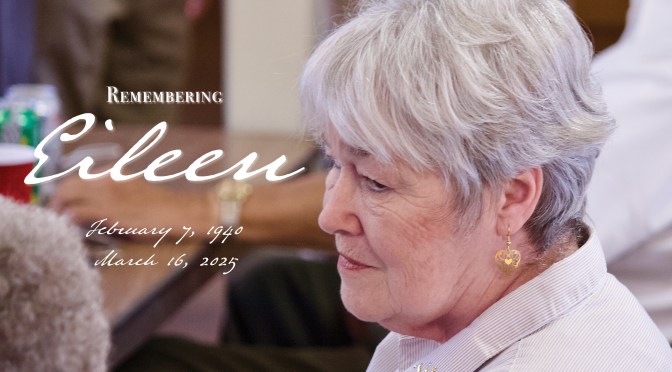


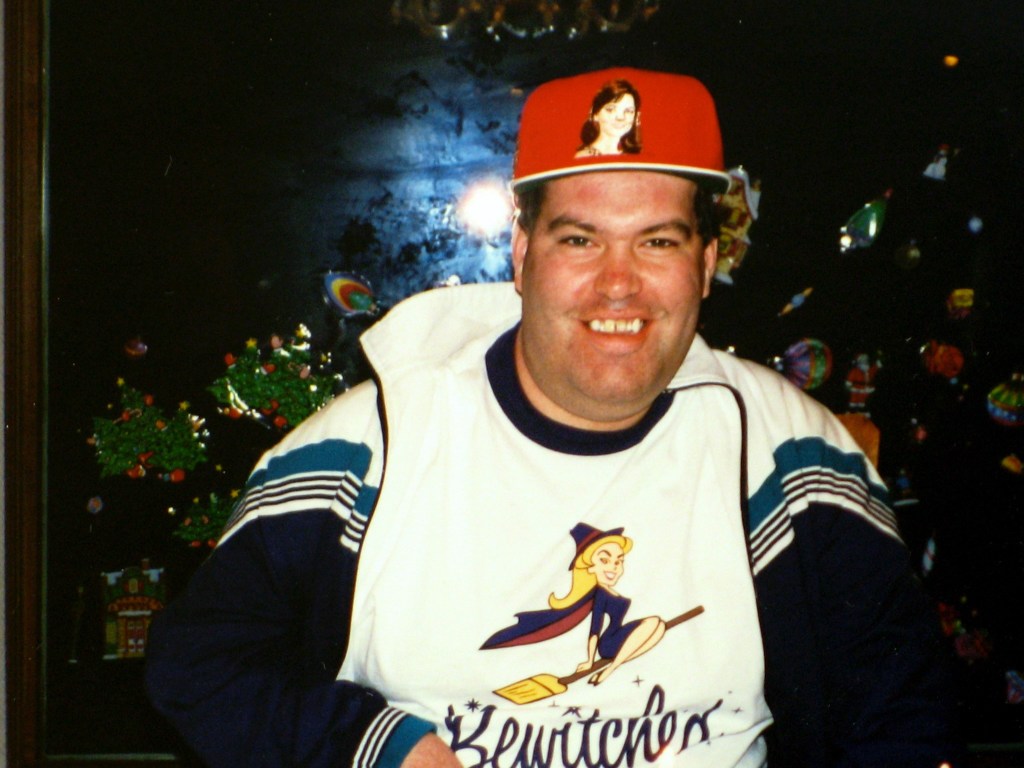


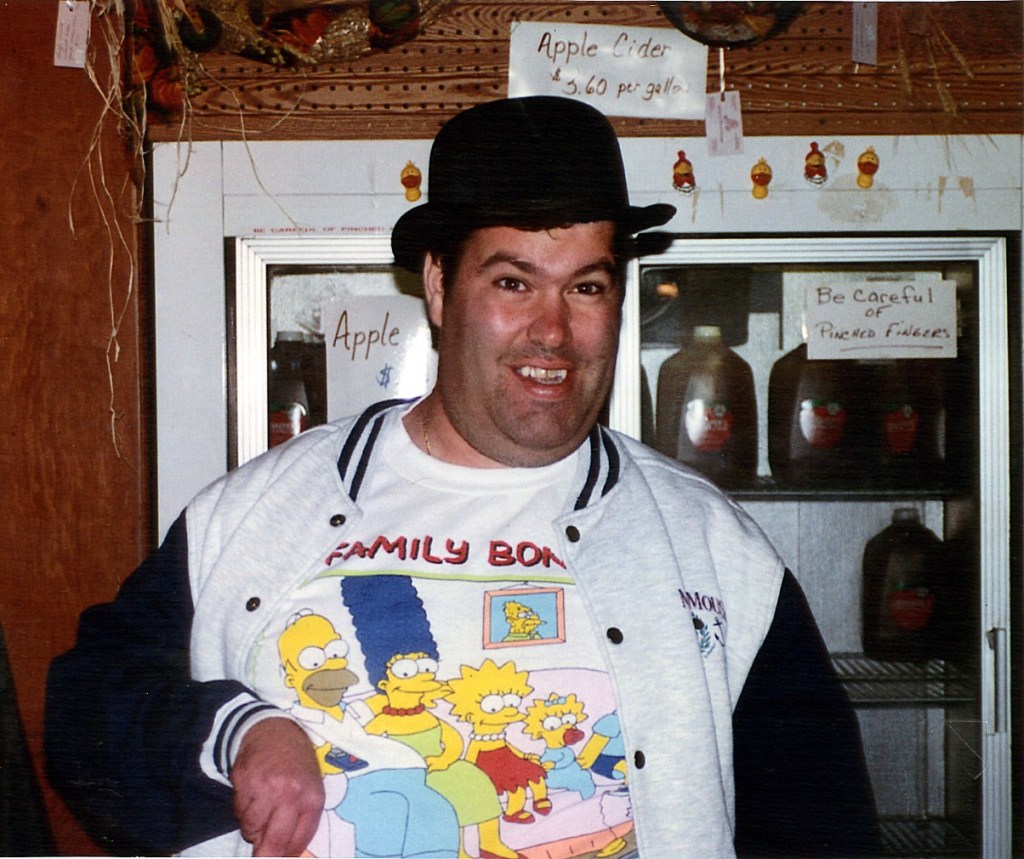
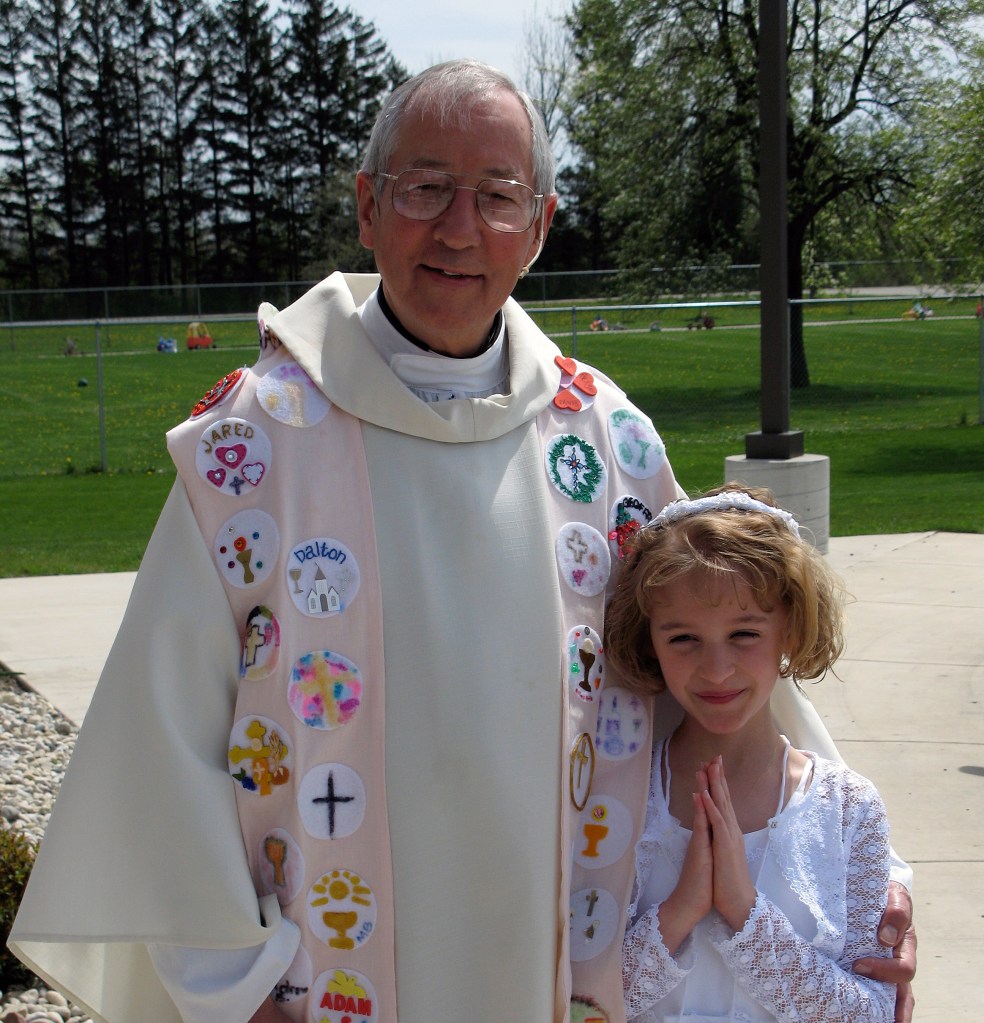

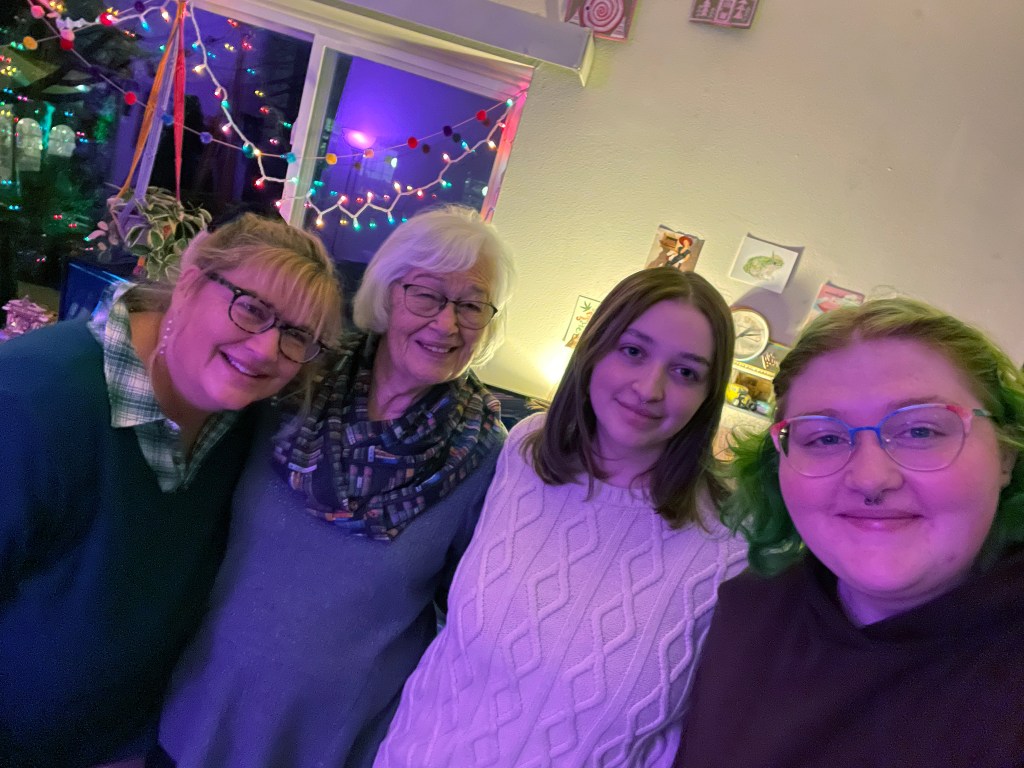


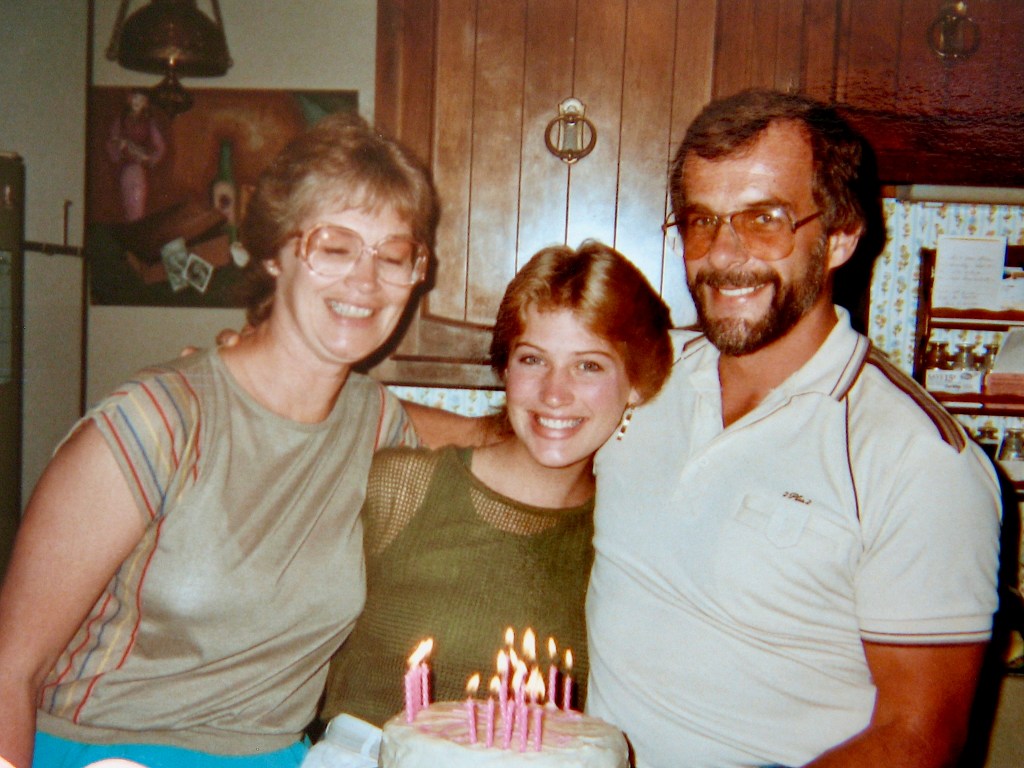
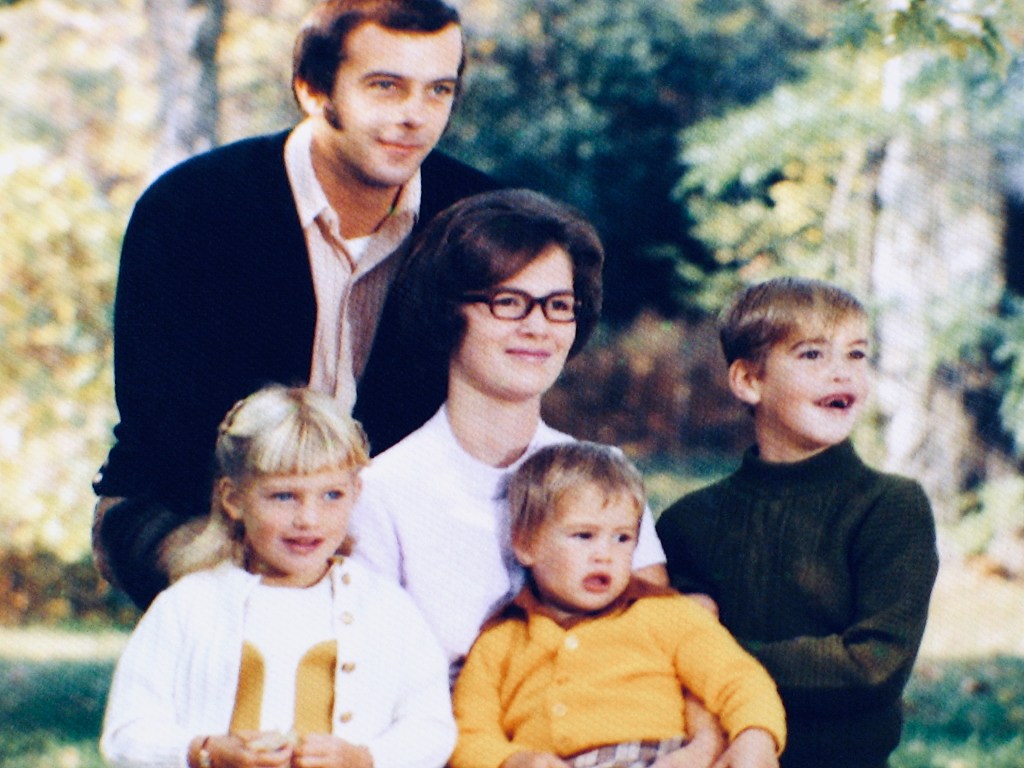
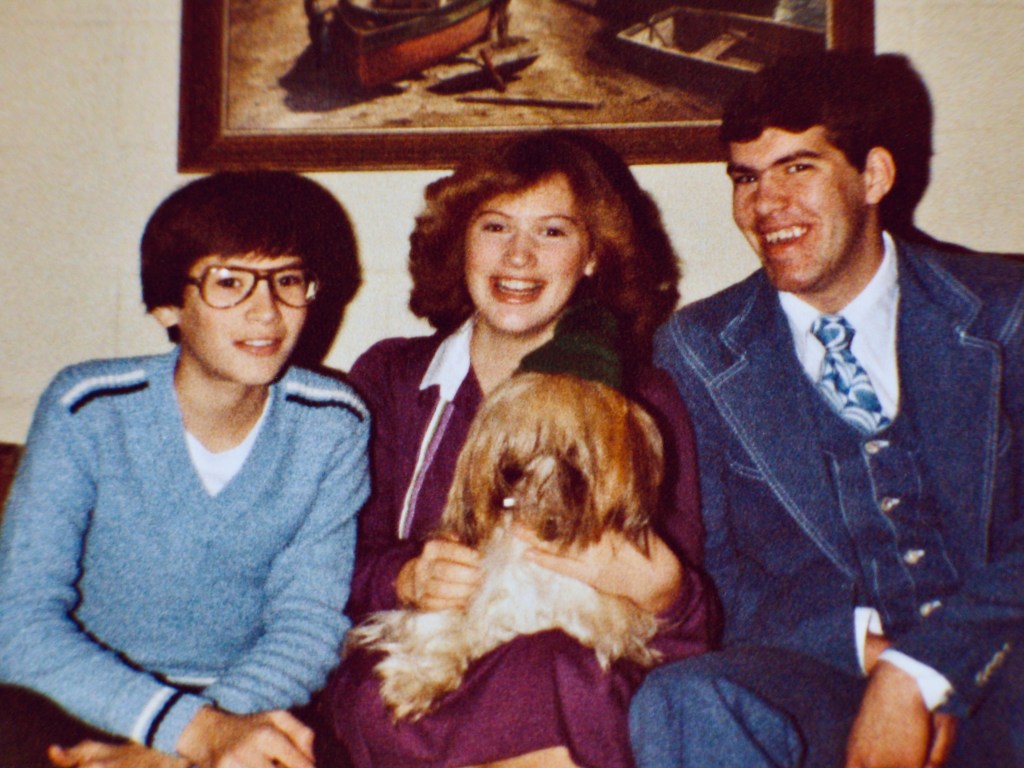

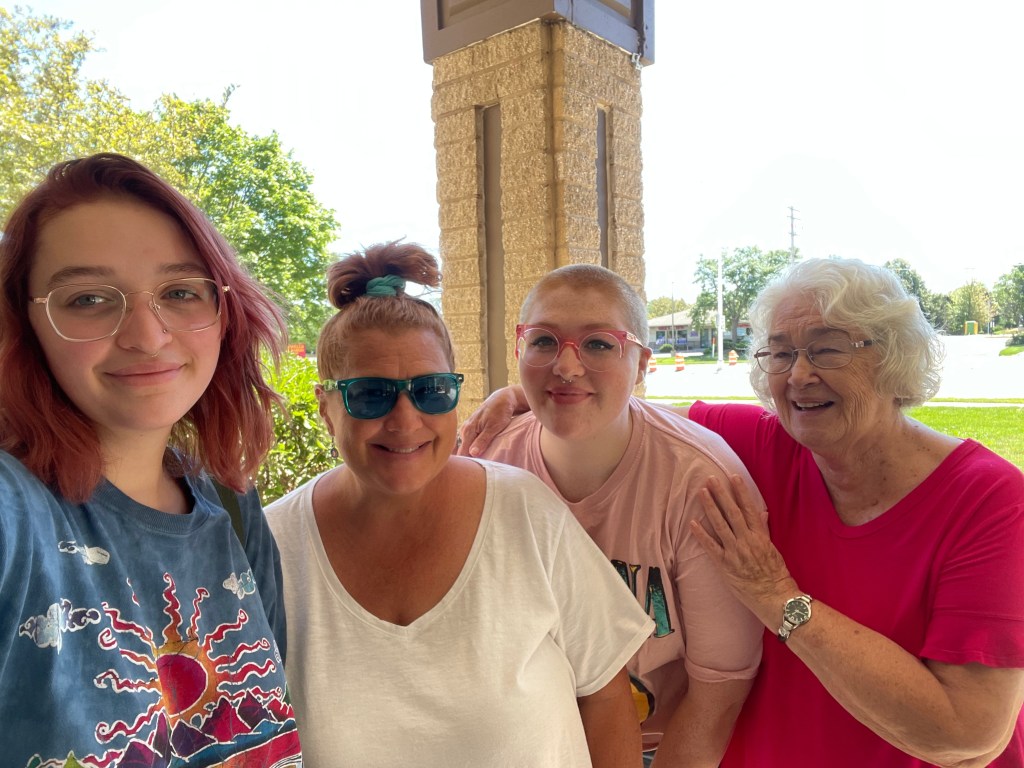


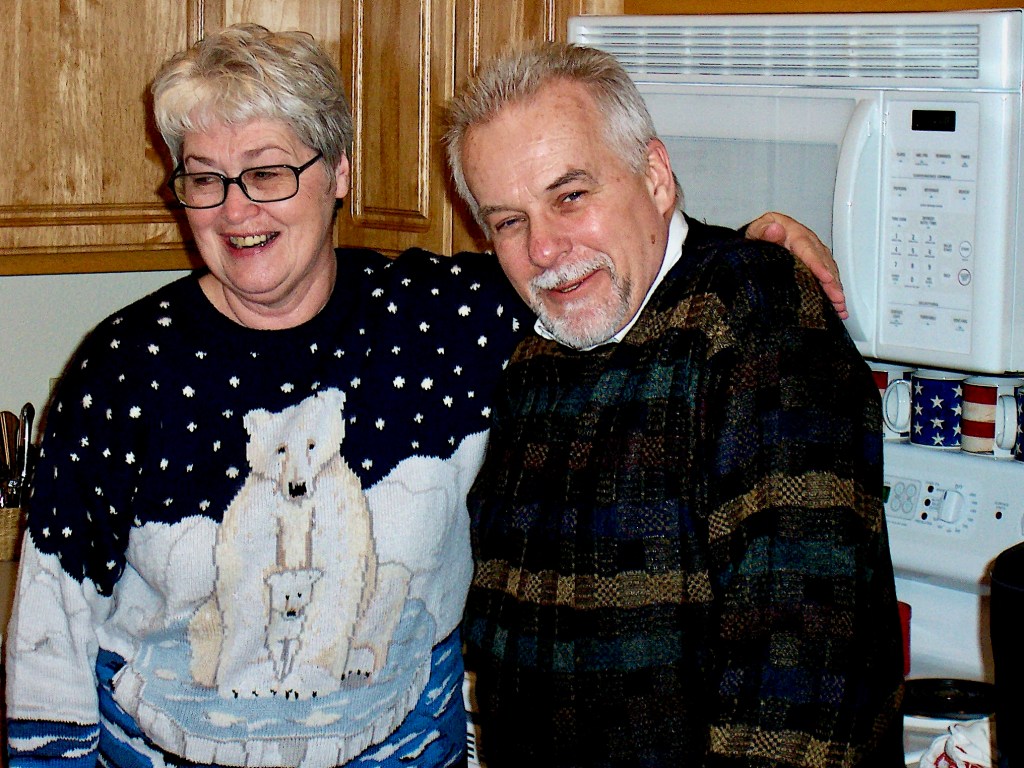
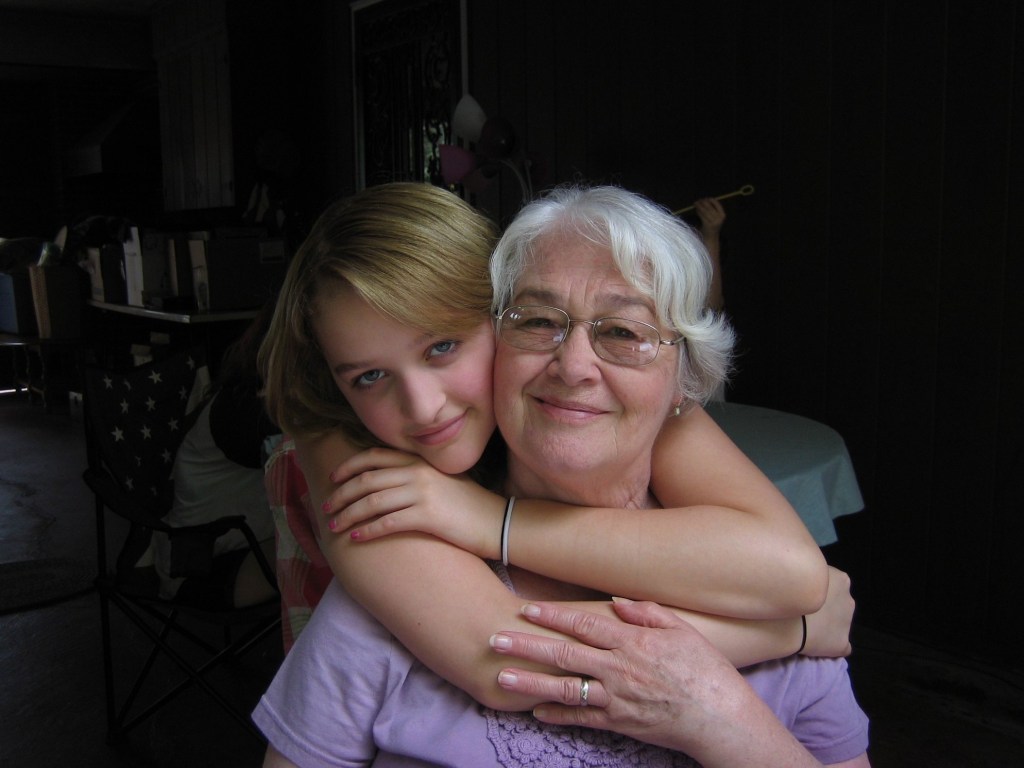
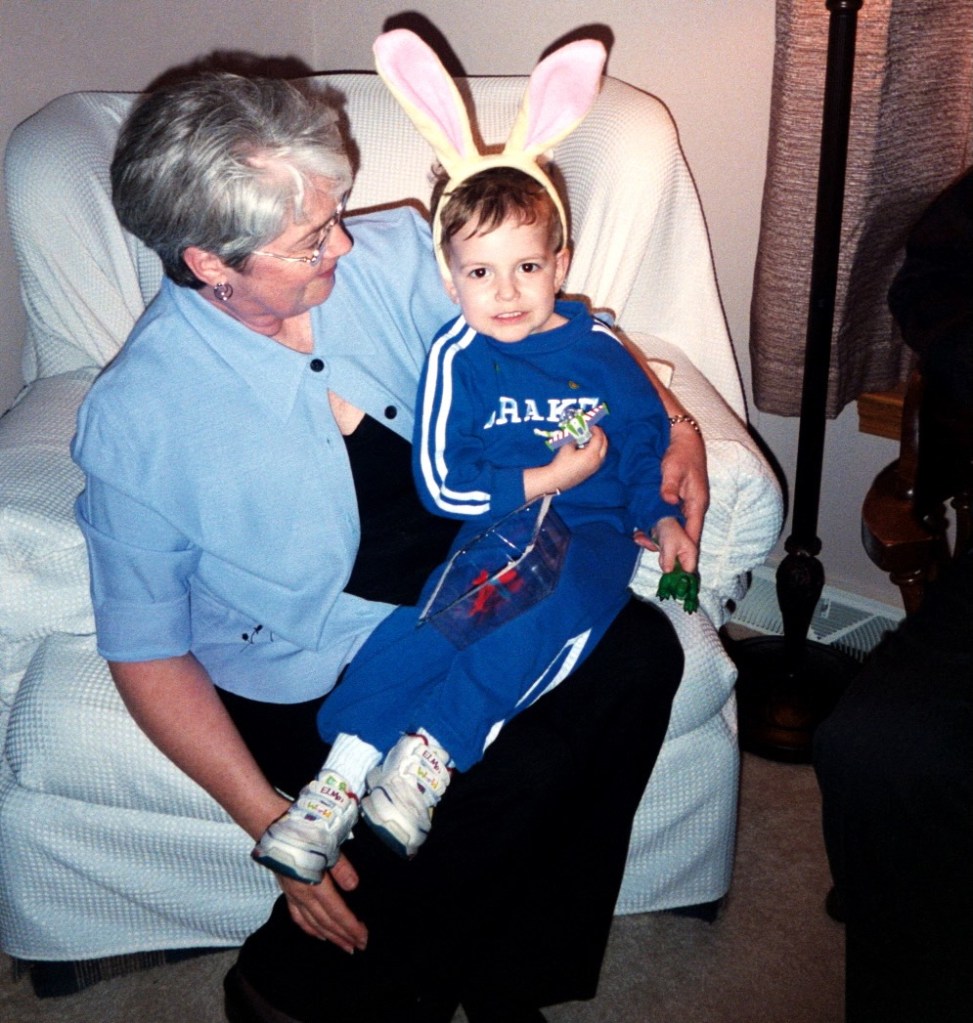


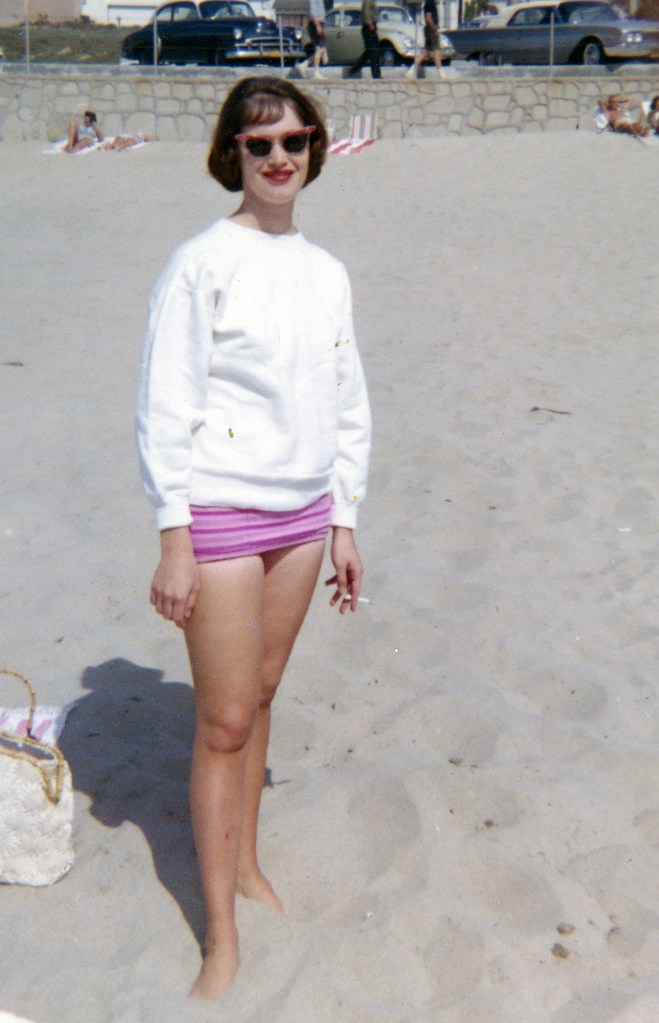
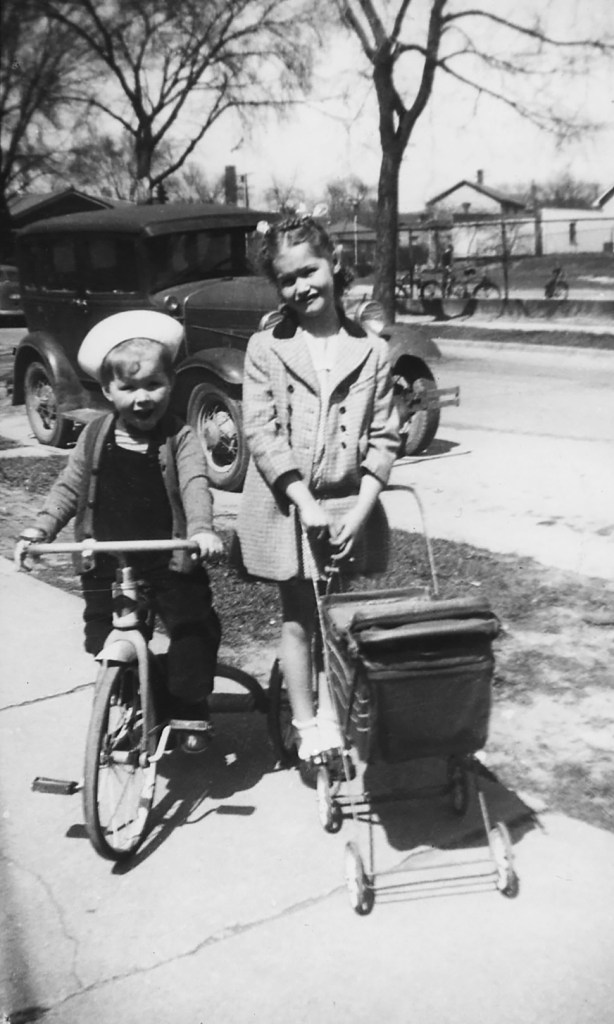


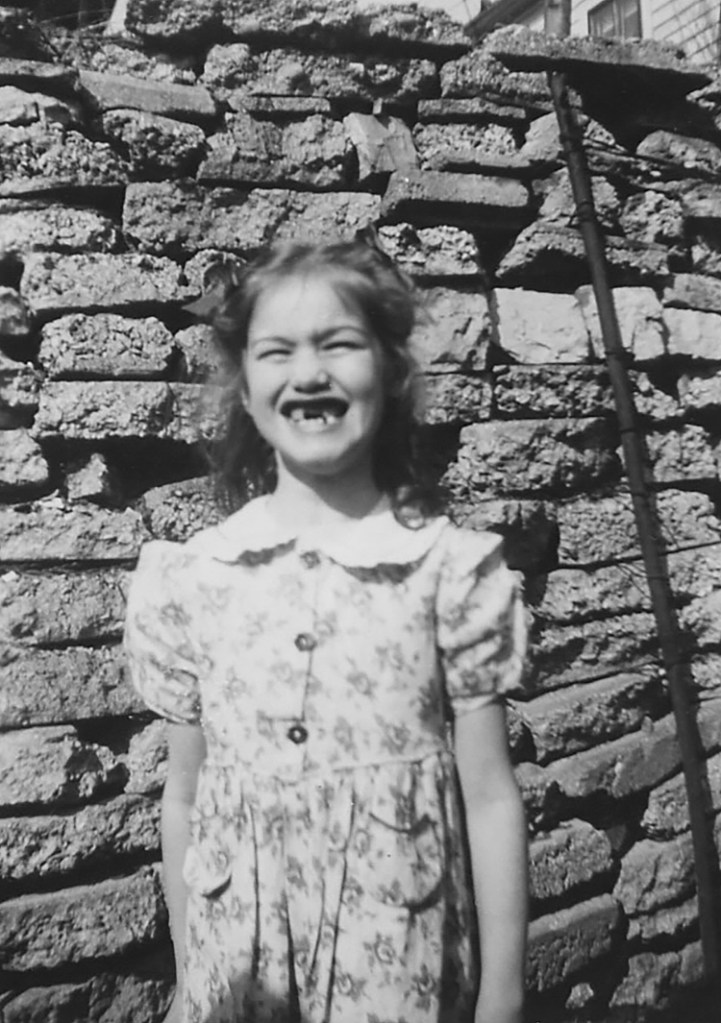
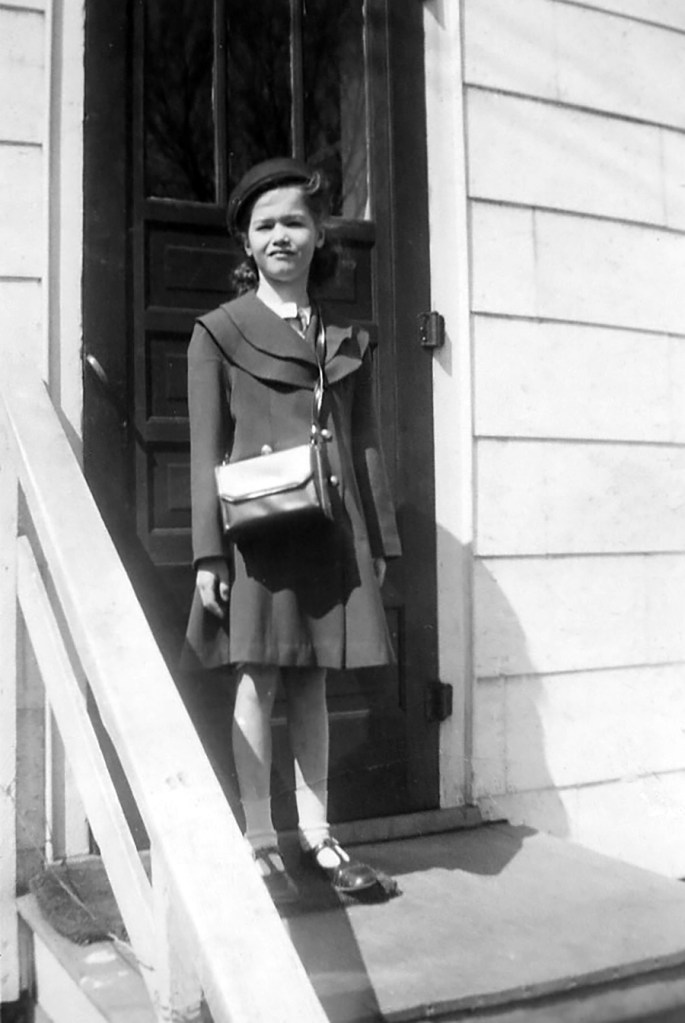


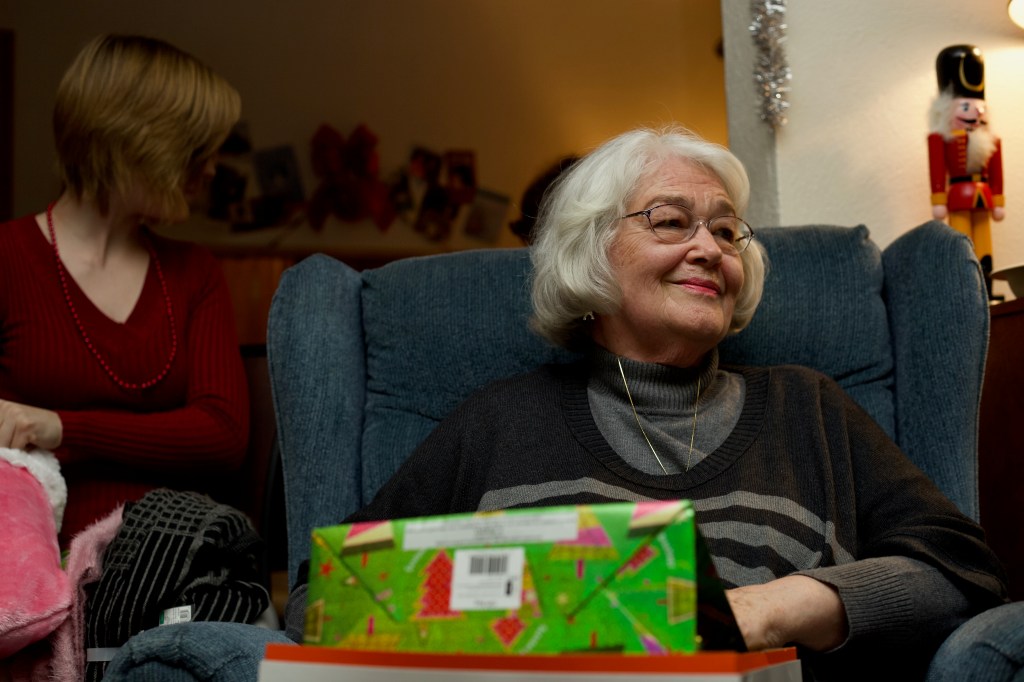


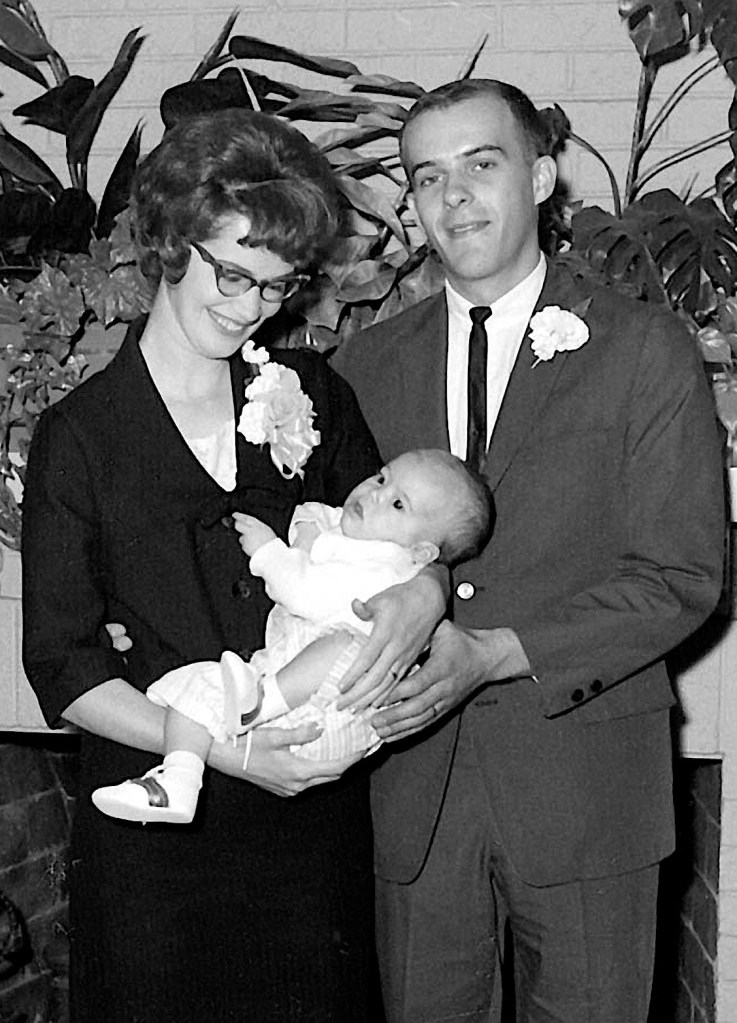
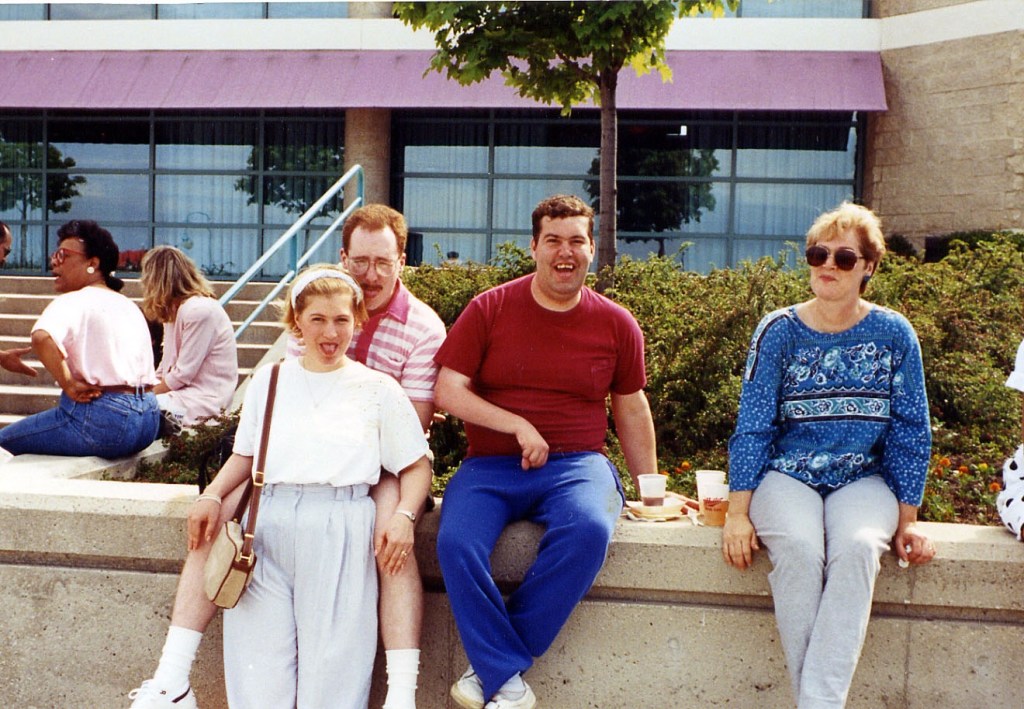


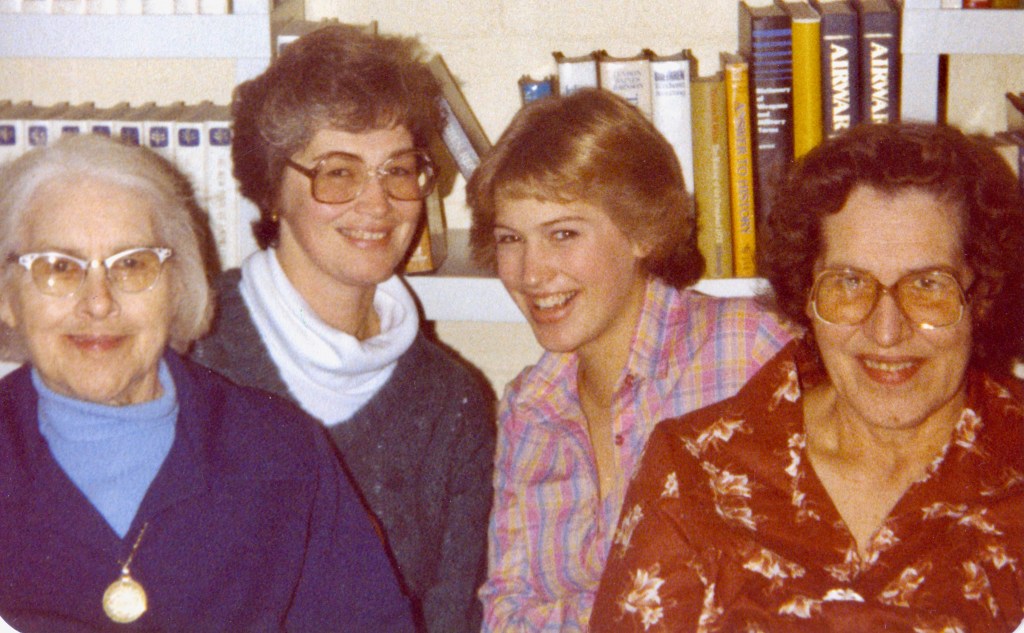
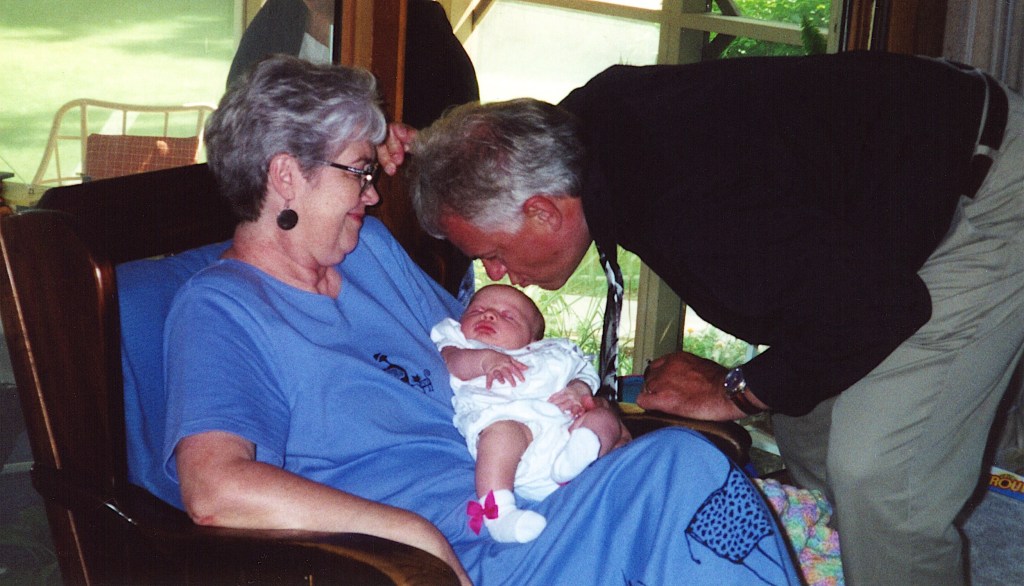


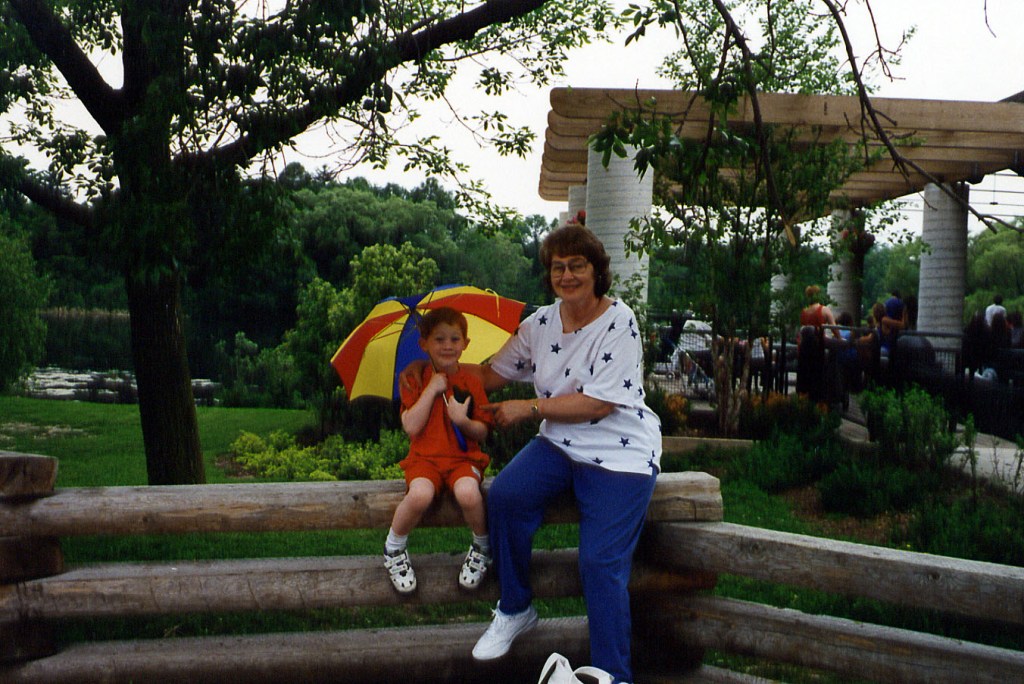


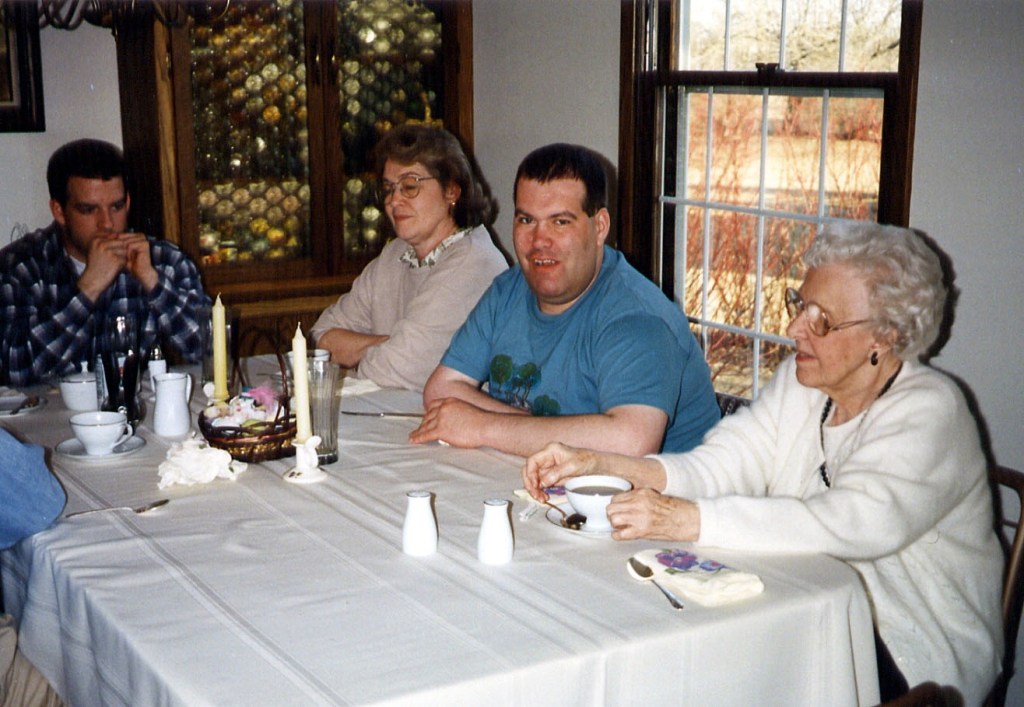
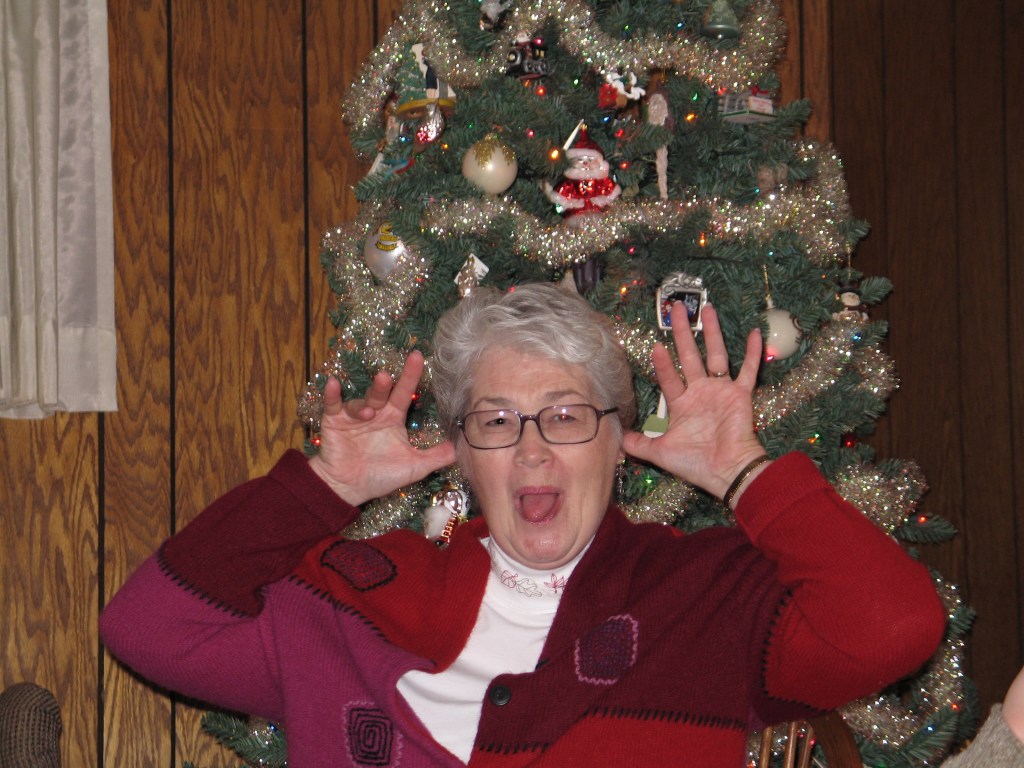

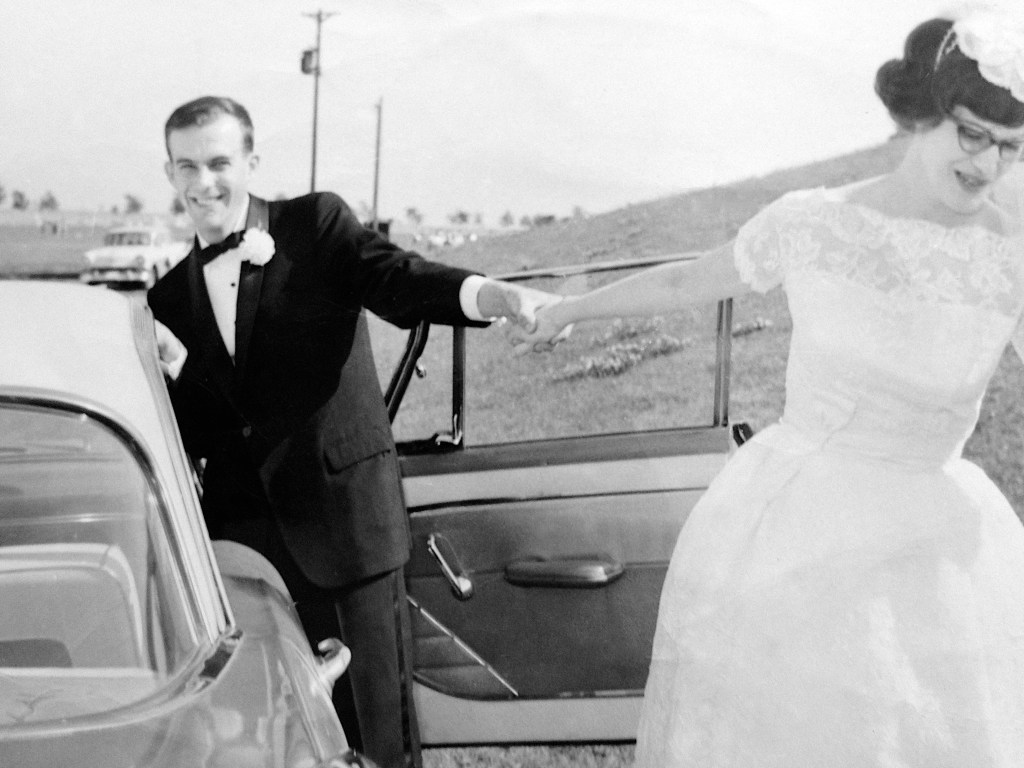
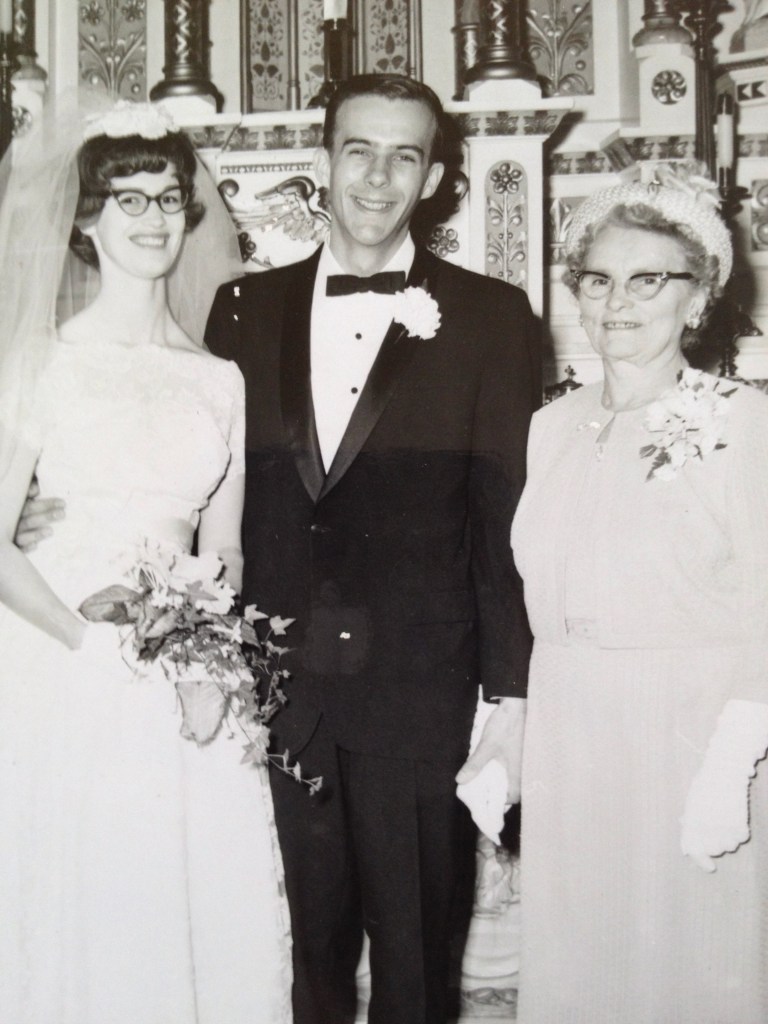
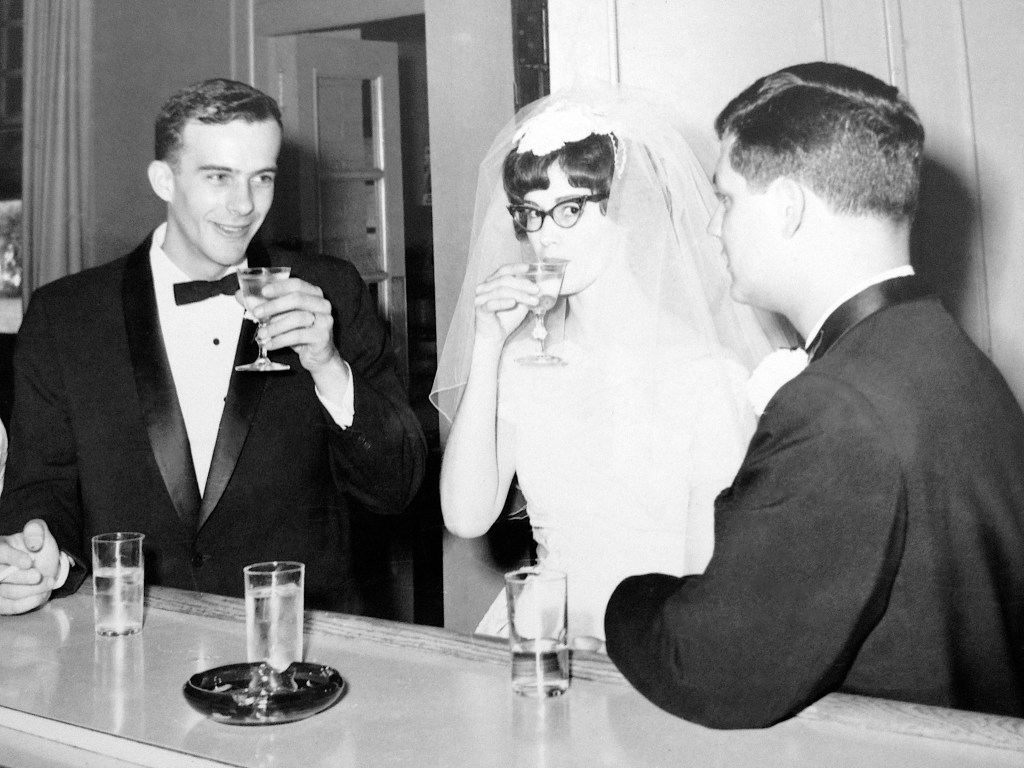
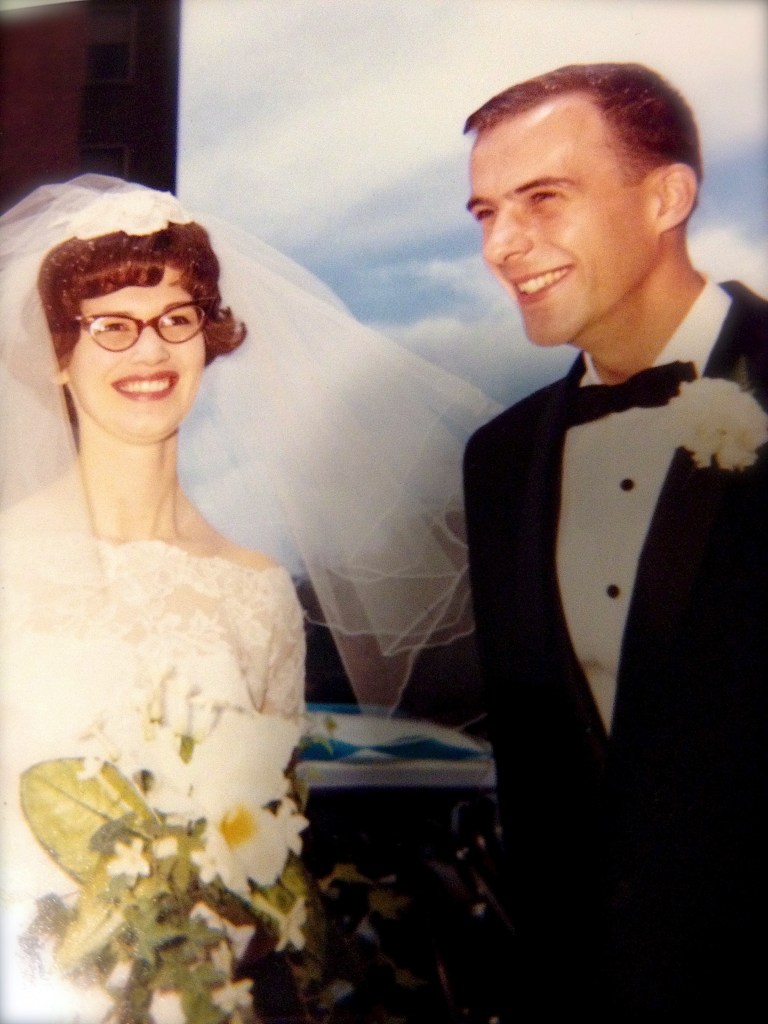


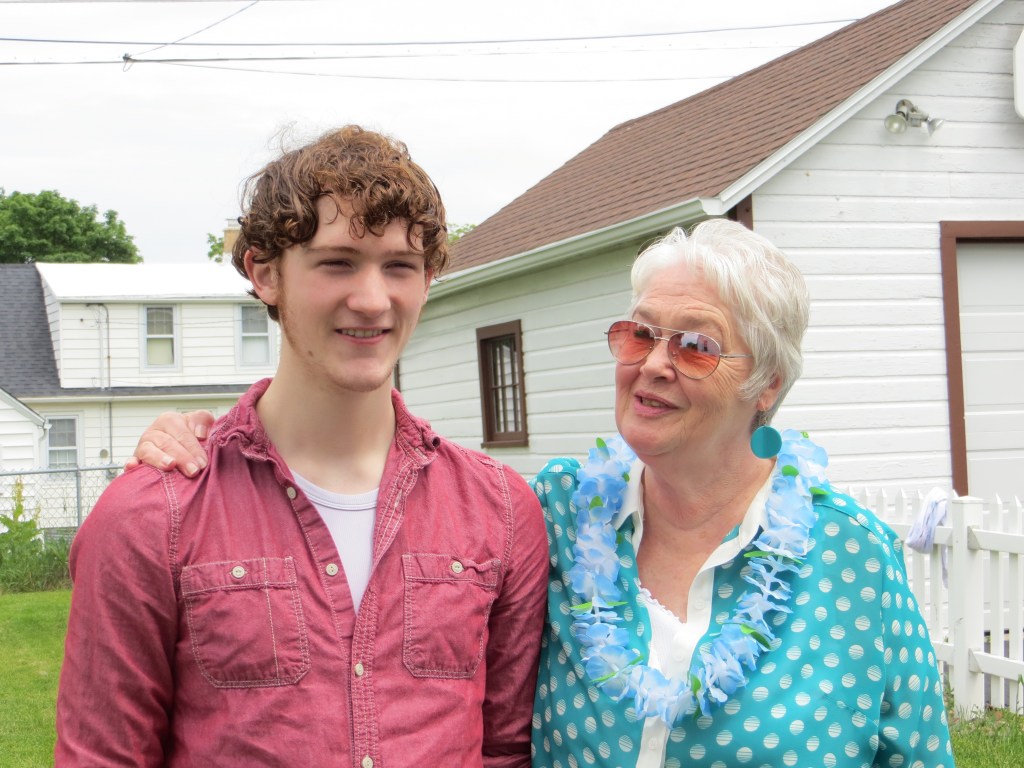
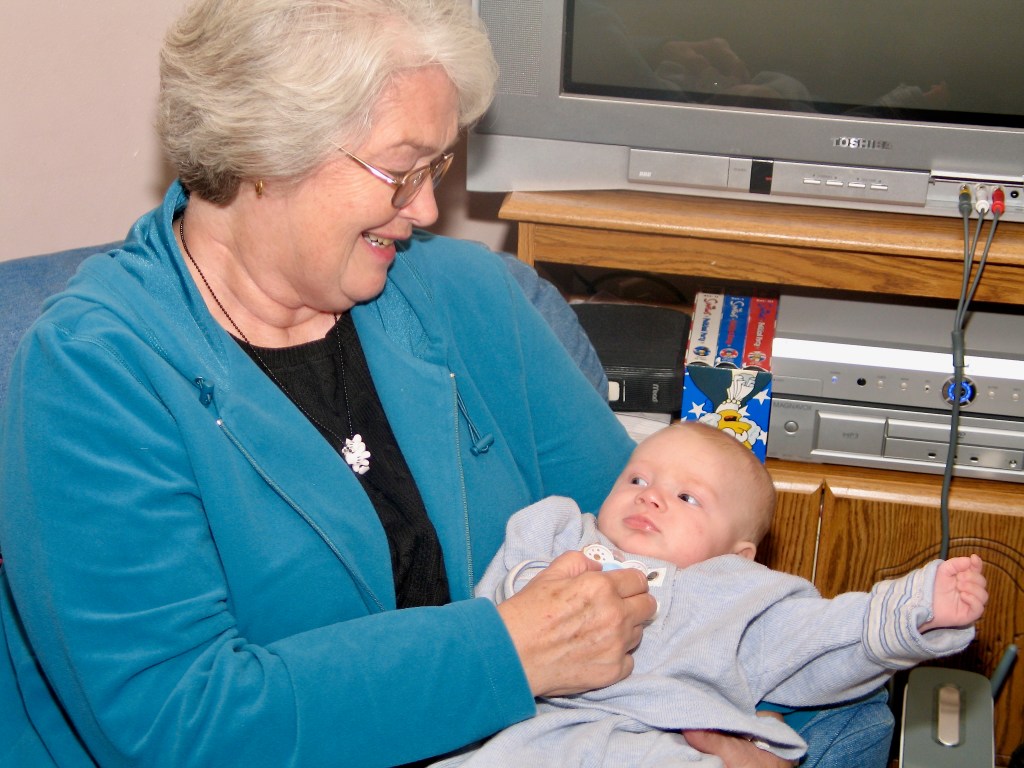


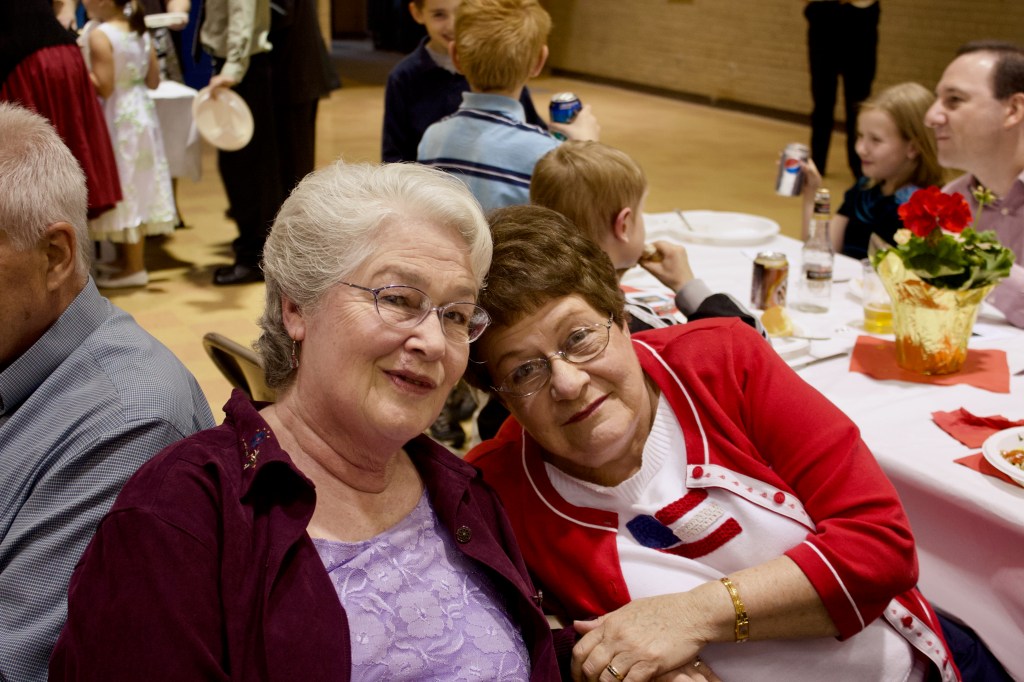

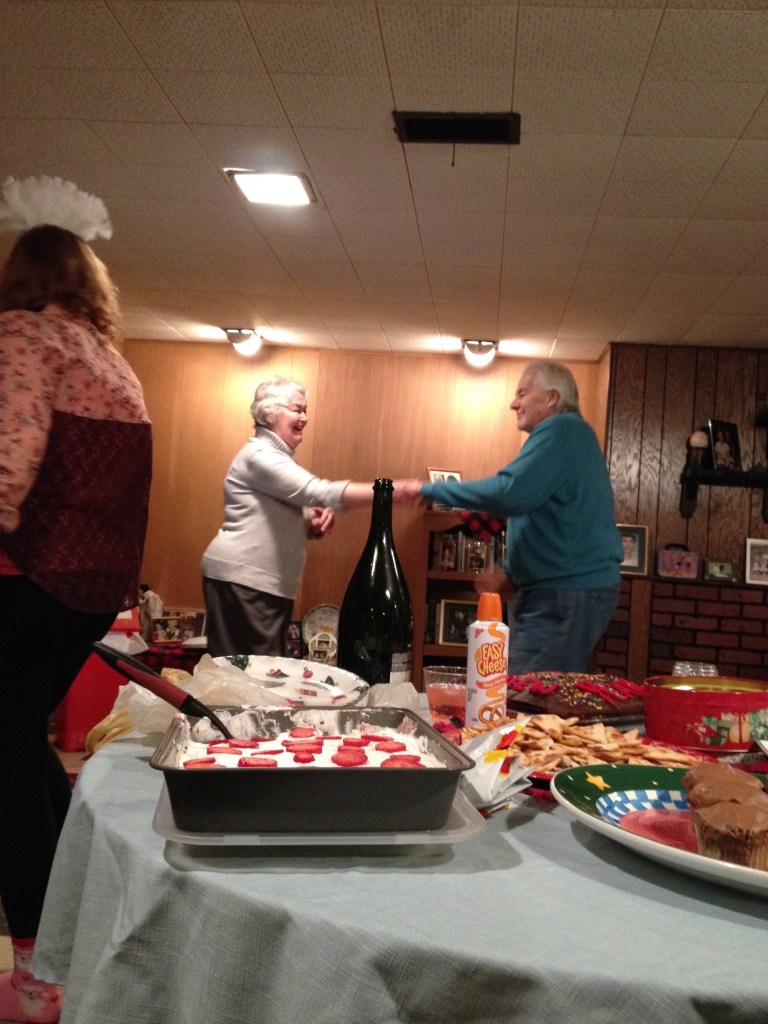


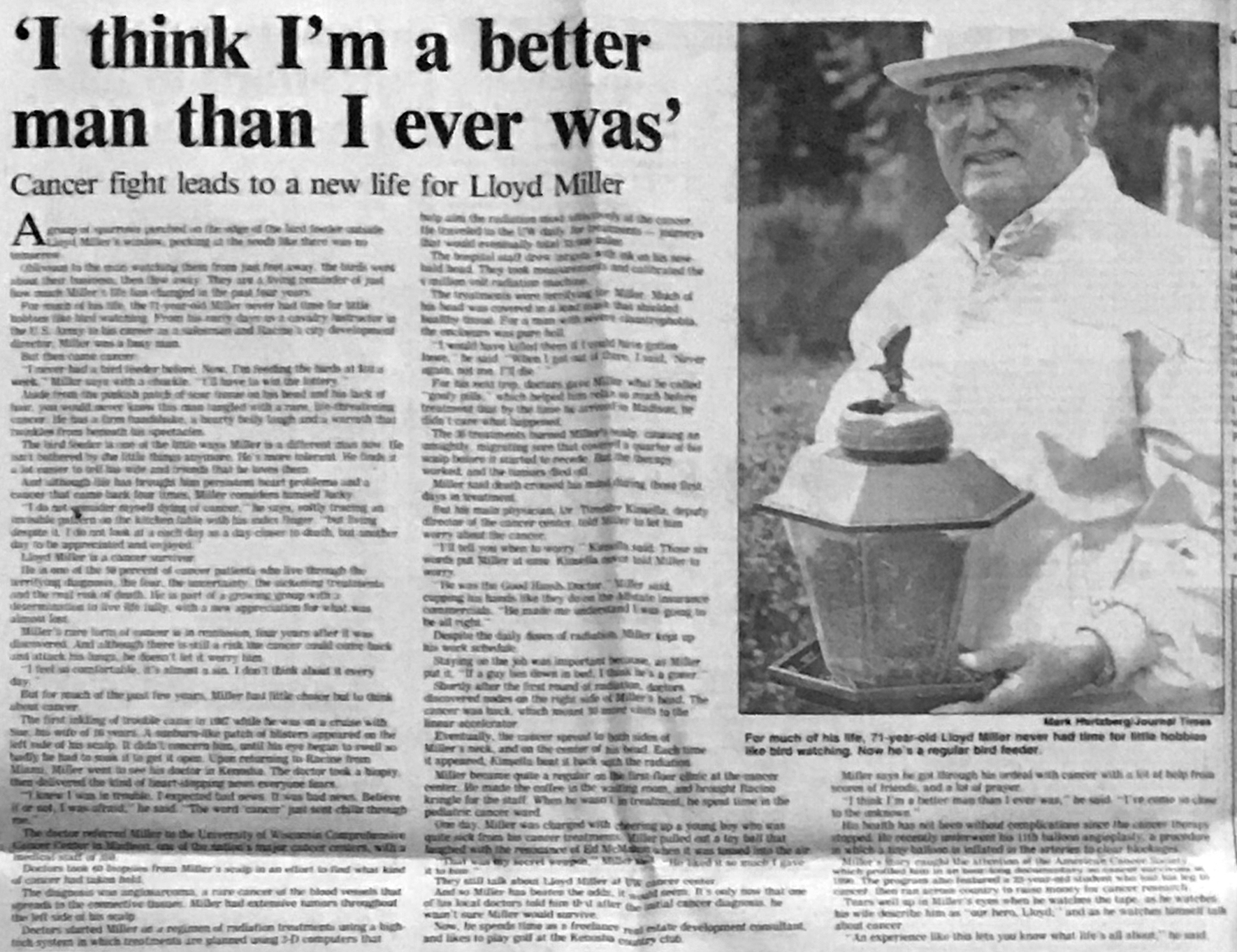


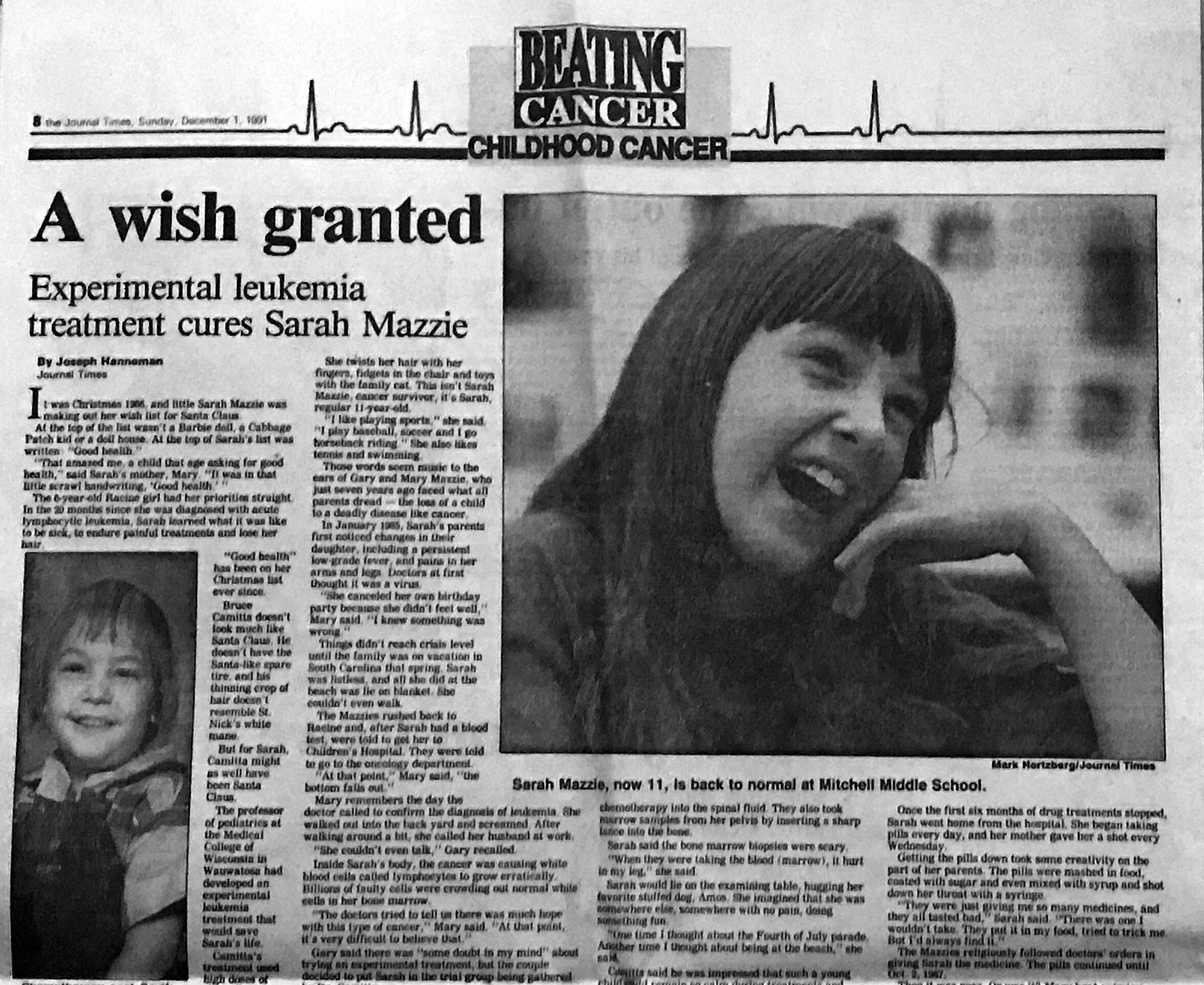
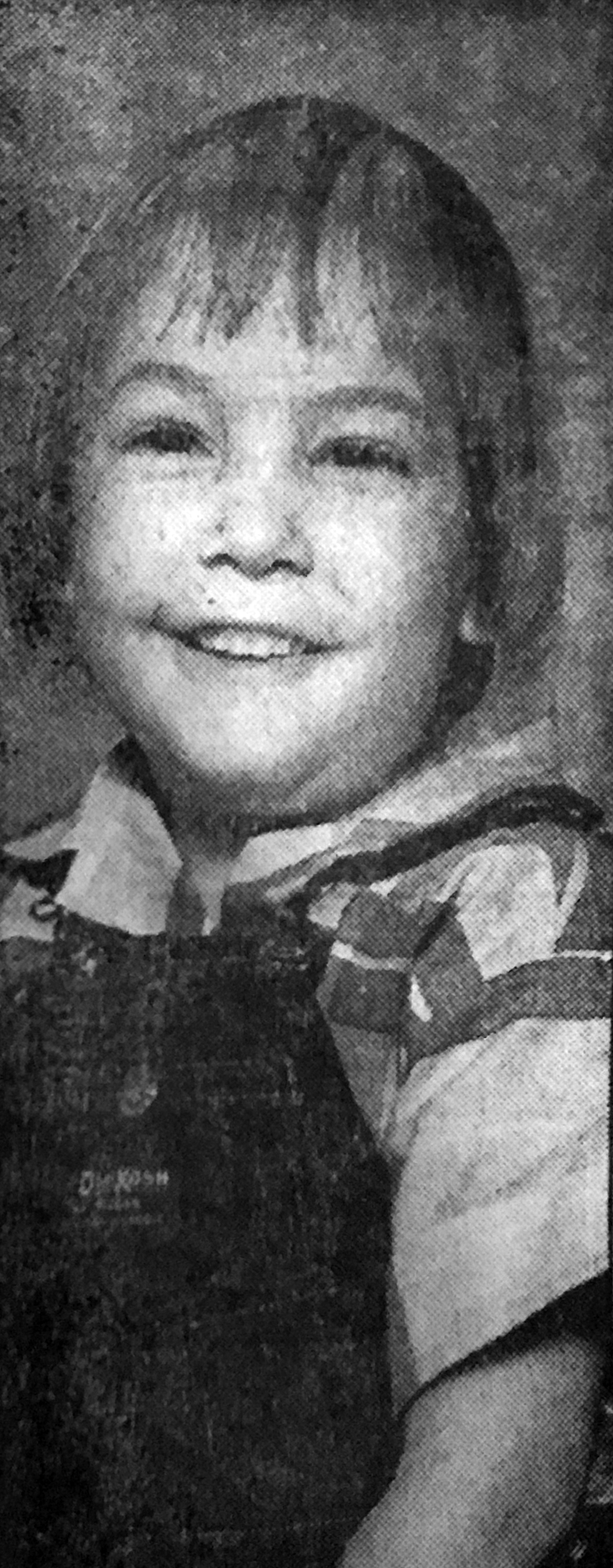


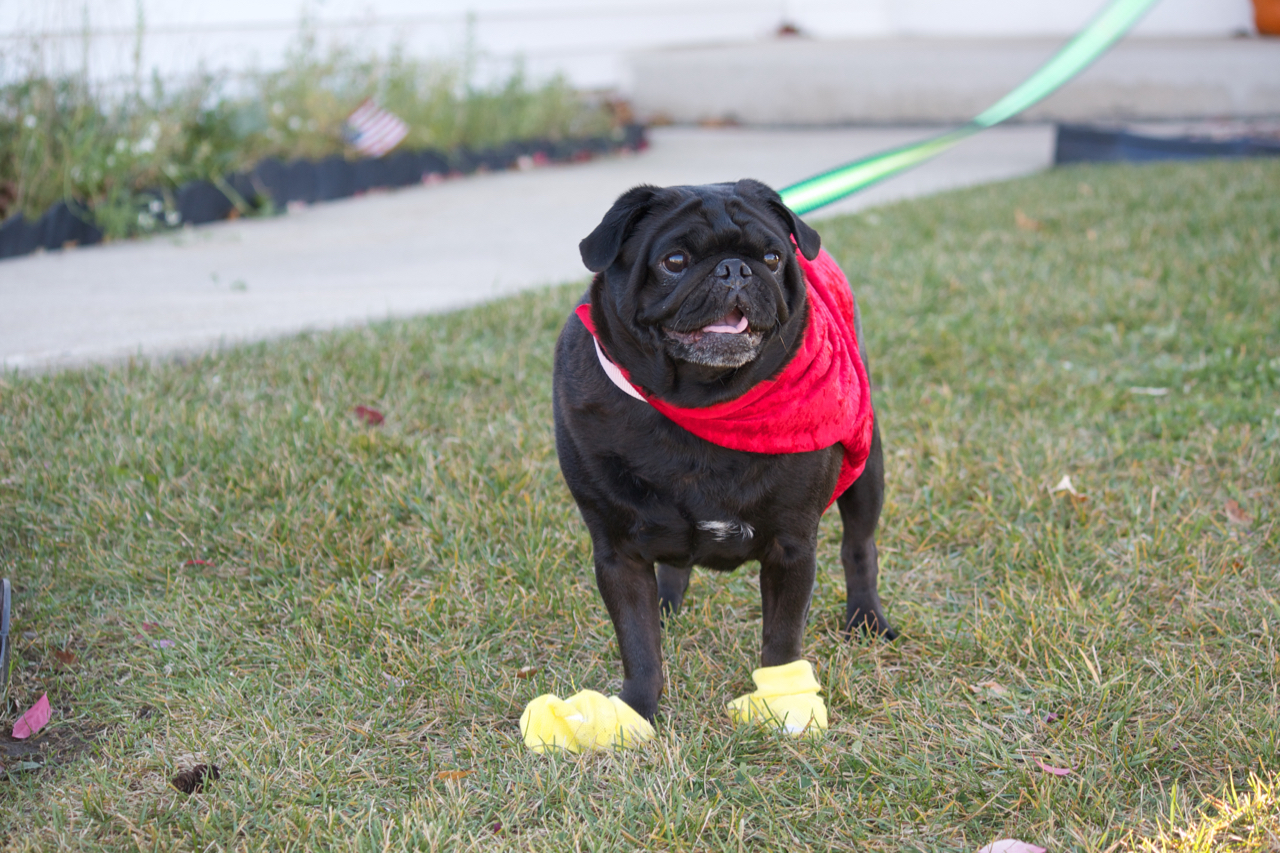





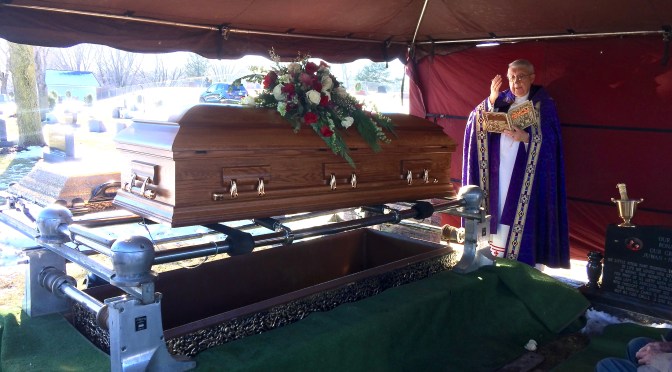


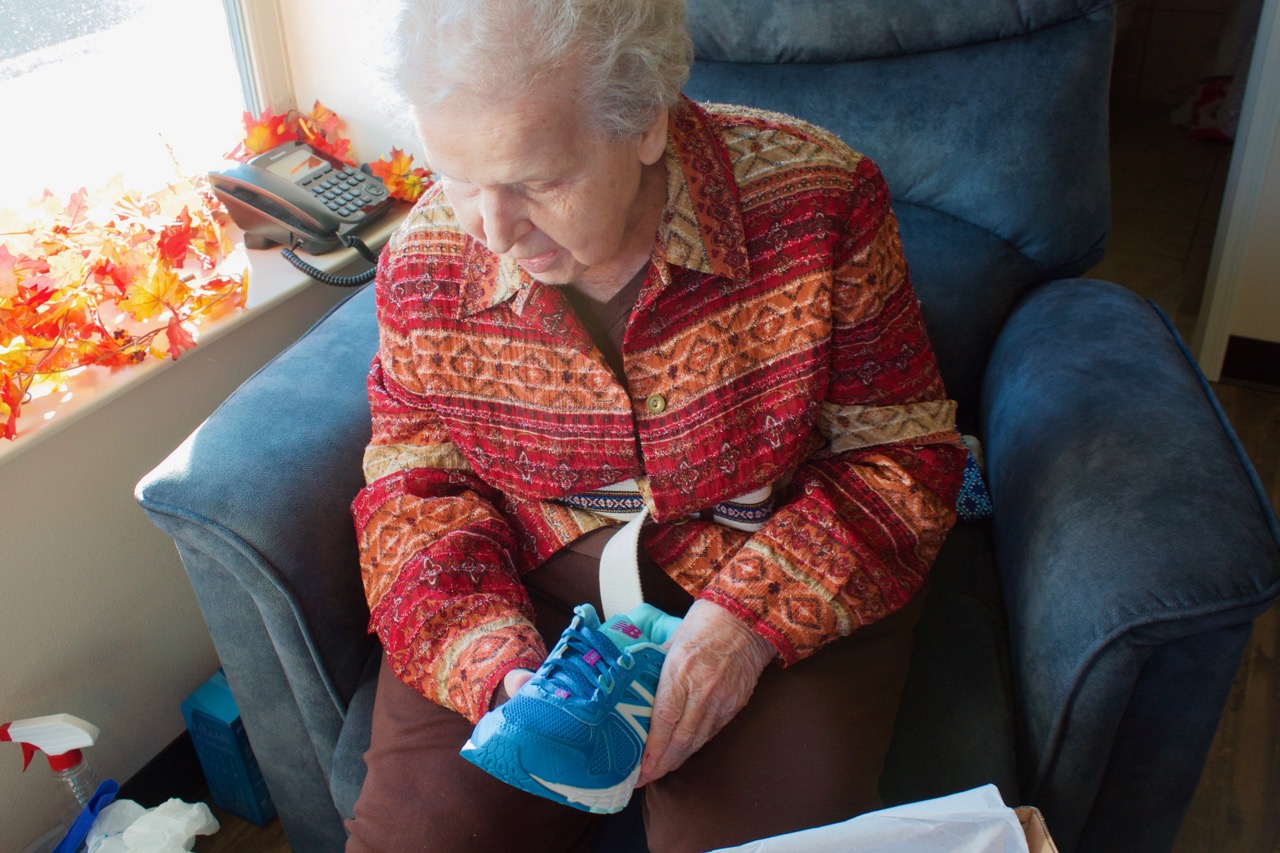


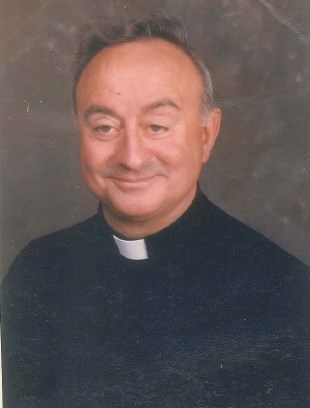
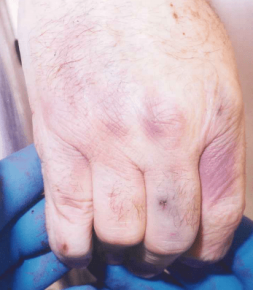
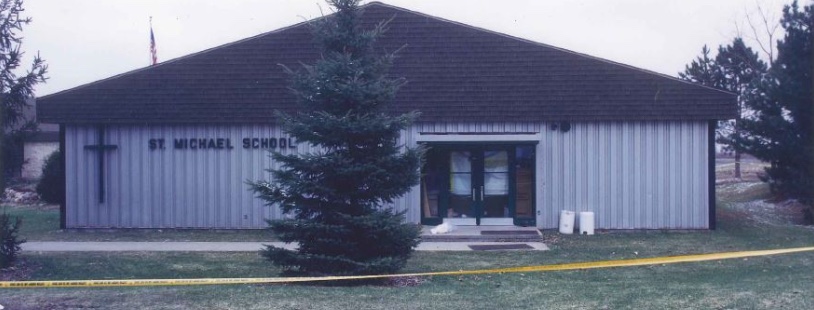




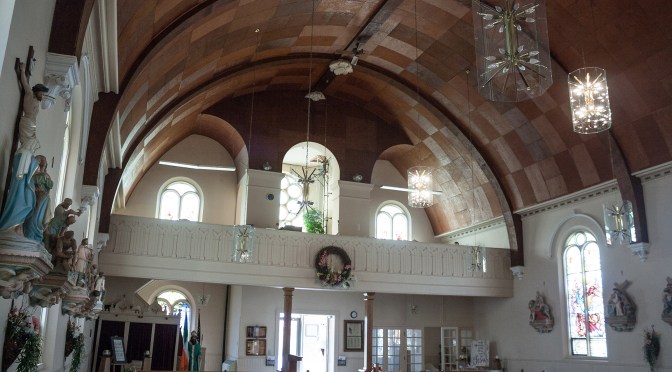


 The Hanneman Archive